Porcelain vs Ceramic Tile for South Florida Bathrooms
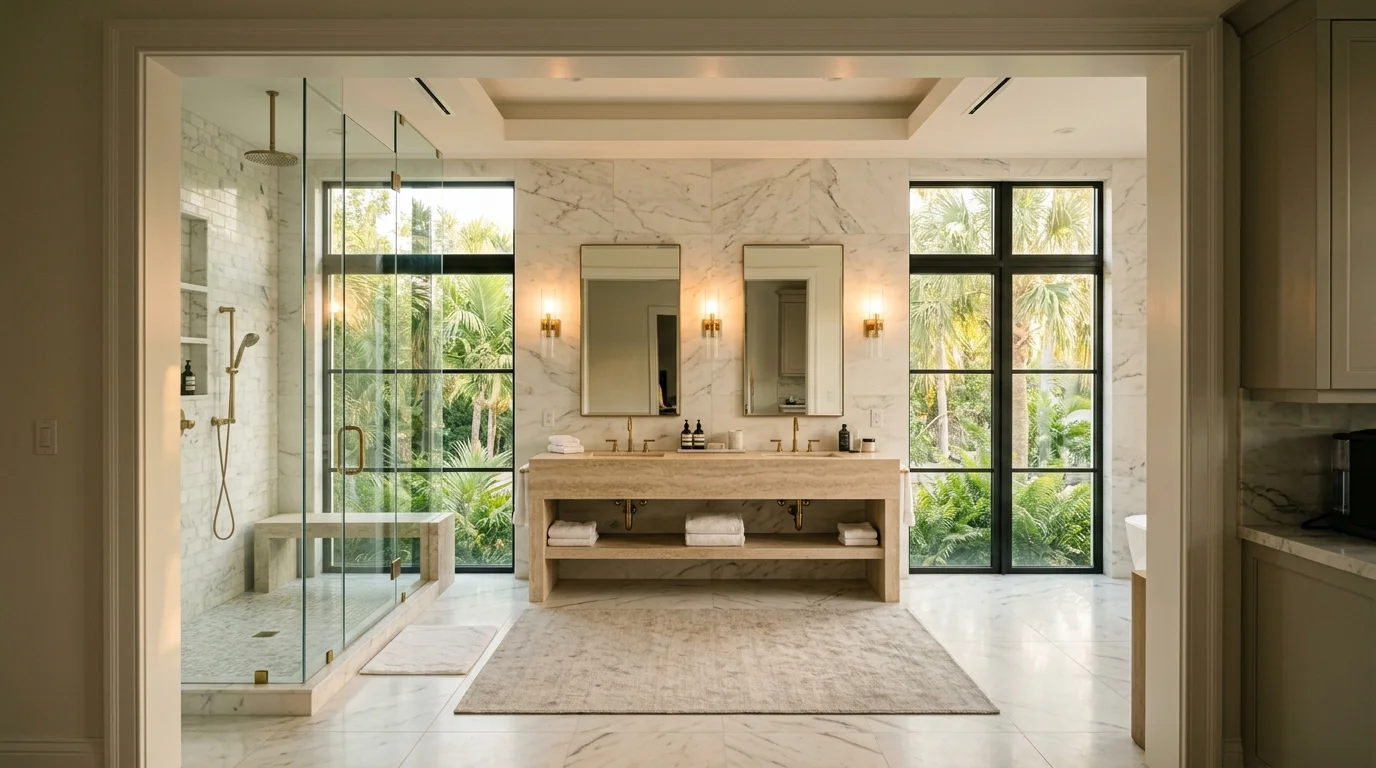
When choosing between porcelain vs ceramic tile for your bathroom renovation in South Florida, water absorption rates and humidity performance matter more than in most other climates. We've installed both materials in hundreds of Palm Beach County bathrooms, and the differences become obvious once you understand Florida's unique challenges. Ceramic tile works fine for many applications, but porcelain consistently outperforms in wet areas and high-humidity conditions.
Both materials come from similar clay bases, but porcelain undergoes higher firing temperatures and denser compression. This creates a less porous surface that handles moisture better. In Boca Raton's humid summers and Wellington's occasional flooding, that difference matters.
The choice affects more than just performance. Installation costs, long-term maintenance, and resale value all shift depending on which direction you go. We recommend porcelain for most South Florida bathroom projects, but ceramic still makes sense in specific situations.
Water Absorption & Durability
Water absorption separates these materials more than any other factor. Porcelain tile absorbs less than 0.5% of its weight in water, while ceramic tile typically absorbs 3% or more. That might sound like small numbers, but they translate to major performance differences in bathroom environments.
Lower absorption means better stain resistance. Soap scum, hair products, and everyday bathroom grime penetrate ceramic tile more easily. Porcelain's denser surface keeps most stains on top where regular cleaning removes them. We see this difference clearly when we return for maintenance visits years later.
Durability follows similar patterns. Porcelain's higher firing temperature creates a harder surface that resists chipping and cracking. Ceramic tile works fine for wall applications, but we've replaced more cracked ceramic floor tiles than porcelain ones. Heavy bathroom fixtures, dropped bottles, and daily foot traffic take their toll over time.
Freeze-thaw cycles don't affect South Florida bathrooms, but thermal expansion does. Air conditioning units cycle on and off constantly, creating temperature swings. Porcelain's lower expansion rate handles these changes better than ceramic.
Humidity Performance in Florida
South Florida's humidity creates challenges that Northern climates don't face. Summer humidity regularly hits 80-90%, and bathrooms stay humid year-round. Steam from hot showers condenses on surfaces, creating perfect conditions for mold and mildew growth.
Porcelain's low water absorption helps here too. Less moisture penetration means less substrate damage and fewer places for mold to establish. We've torn out ceramic tile installations where moisture worked through grout lines and compromised the substrate underneath. Porcelain installations show less of this damage over time.
Grout lines matter just as much as the tile itself. Both materials need quality grout and proper sealing, but porcelain gives you more margin for error. If grout maintenance lapses slightly, porcelain tile provides better backup protection than ceramic.
The Florida Department of Health emphasizes moisture control for preventing mold growth. Choosing materials that naturally resist moisture penetration supports that goal.
Installation Considerations
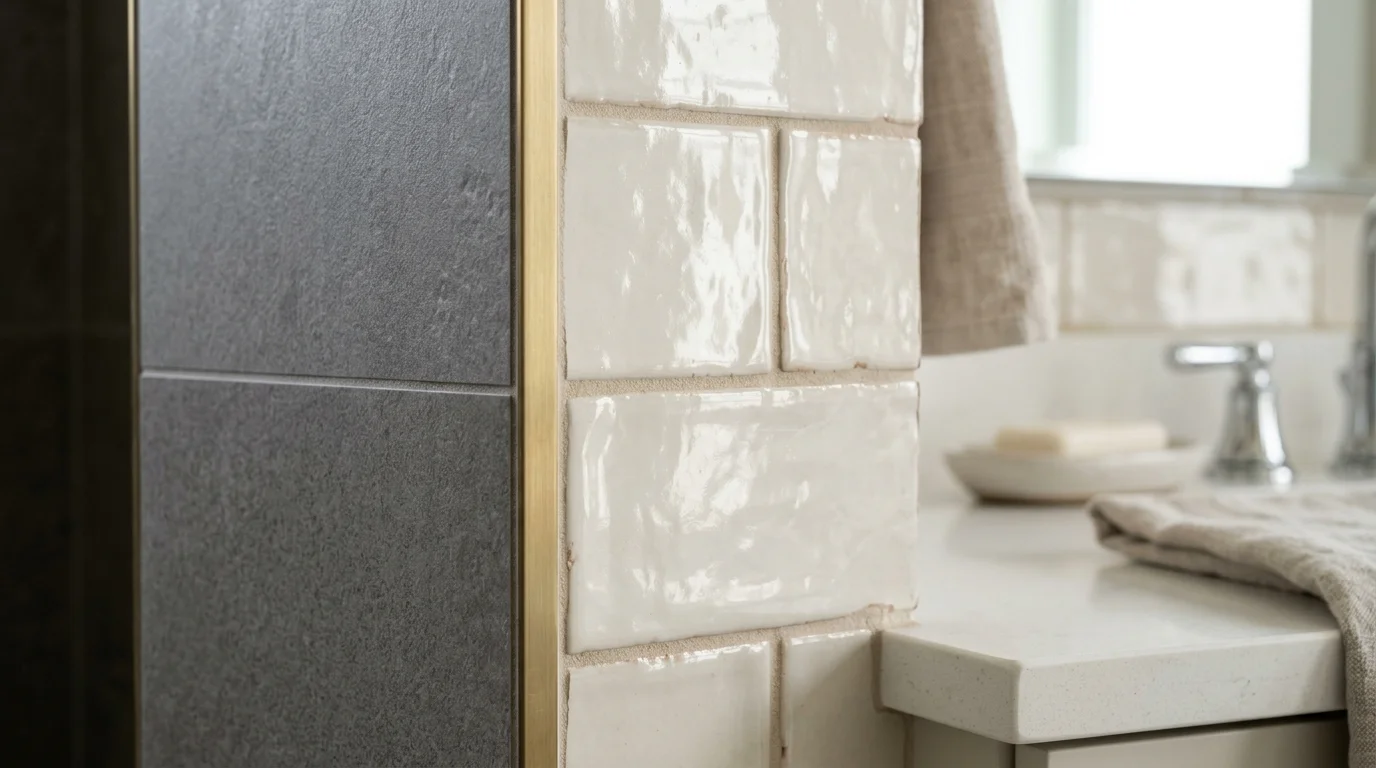
Installation differences between porcelain and ceramic tile affect project timelines and costs. Porcelain's density makes it harder to cut, requiring diamond blades and more careful handling. Our crews need more time for precise cuts around fixtures and outlets.
Weight differences matter for wall installations. Large format porcelain tiles need stronger adhesives and sometimes additional substrate support. We typically use modified thinset mortars and occasionally add mechanical fasteners for heavy tiles on walls.
Ceramic tile cuts easier and installs faster. Standard carbide blades handle most cuts, and the lighter weight simplifies wall installations. For budget-conscious projects where speed matters, ceramic installation goes quicker.
Both materials require similar substrate preparation. Proper waterproofing behind shower areas, level subfloors, and appropriate underlayment systems matter regardless of tile choice. We use the same waterproofing standards for both materials in shower installations.
Expansion joints become more important with porcelain because of its lower thermal expansion. We plan joint locations carefully to prevent stress cracking, especially in large bathroom installations.
Cost Guide
Tile costs vary significantly based on size, finish, and manufacturer. These ranges reflect what we see in Palm Beach County projects:
Installation costs increase with porcelain because of cutting difficulties and weight considerations. Expect 15-25% higher labor costs for porcelain installations compared to ceramic. Complex patterns, small formats, and wall installations push costs toward the higher end of ranges.
Long-term maintenance costs favor porcelain. Less staining means less deep cleaning and resealing. Durability differences reduce replacement needs over time. For clients planning to stay in their homes long-term, porcelain's higher upfront cost often pays off.
Our typical bathroom tile installations range from $2,800-$8,500 for materials and labor, depending on bathroom size and tile selection. Most clients in Delray Beach and Jupiter choose mid-range porcelain options that balance cost and performance.
South Florida Considerations
Hurricane season affects tile selection more than most homeowners realize. Power outages knock out air conditioning for days, creating extreme humidity conditions inside homes. Porcelain's lower moisture absorption provides better protection during these events.
Coastal areas face additional salt air exposure. While both materials resist salt corrosion well, porcelain's denser surface provides slightly better protection. We see more grout line deterioration in ceramic installations near the ocean.
Many Palm Beach County homes use well water with high mineral content. Hard water leaves deposits on all surfaces, but porcelain's smoother surface cleans easier than ceramic's more porous finish. This matters for daily maintenance and long-term appearance.
Resale value considerations differ by area. Luxury markets in Wellington and Boca Raton expect porcelain tile in bathroom renovations. Ceramic tile might affect buyer perception in higher-end neighborhoods. Our bathroom remodel cost analysis shows better ROI with porcelain in luxury markets.
Florida Building Code requirements apply equally to both materials, but porcelain's superior moisture resistance supports code compliance goals. Proper installation matters more than material choice for meeting code requirements.
Summer heat affects installation timing. Both materials need proper curing time for adhesives and grout. We schedule most bathroom tile work for early morning hours during summer months to avoid peak heat that can affect material performance.
Where Each Tile Works Best
The porcelain-versus-ceramic decision rarely has to be all-or-nothing. In most of the bathrooms we build, the smart move is to use each material where it earns its keep. Porcelain belongs anywhere that gets wet and walked on: the shower floor, the shower walls, and the main bathroom floor. Its very low water absorption and harder body stand up to standing water and daily traffic, which matters most in a primary bath that sees heavy use.
Ceramic still has a real place, especially on walls away from direct water and on accent areas where you want a specific glaze, color, or handmade look that porcelain doesn't offer. Because ceramic is softer and easier to cut, it's also more forgiving for intricate patterns and niches, and it usually costs less per square foot. On a guest bath or powder room with light use, a quality ceramic wall tile performs just fine.
For shower floors specifically, we steer clients toward smaller porcelain mosaics. The extra grout lines give bare feet more grip on a wet surface, and the small format conforms to the slope toward the drain without awkward cuts. Pairing a porcelain floor with a larger ceramic or porcelain wall tile is a combination that holds up to Florida humidity and still gives you room to play with style.