Freestanding tub vs built-in: Which adds more value?
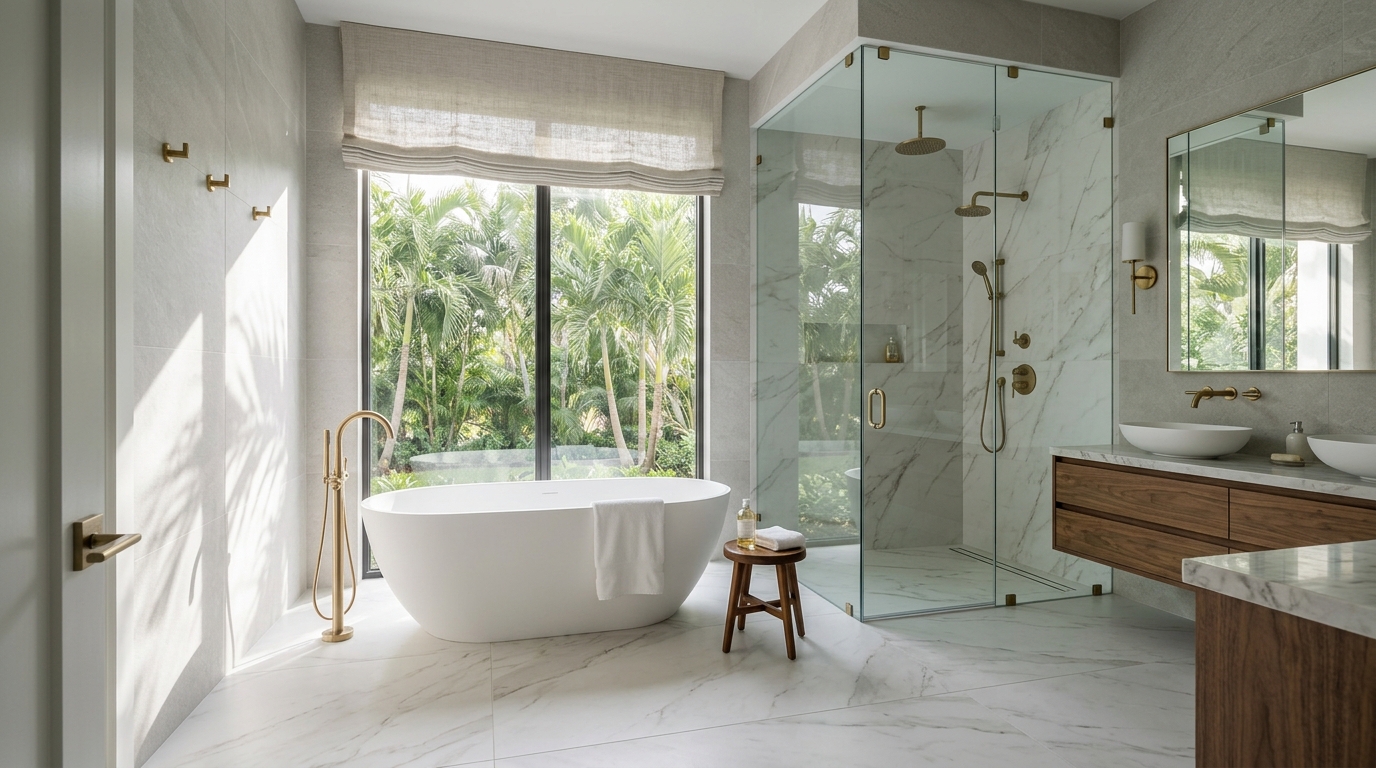
The freestanding tub vs built-in debate comes up in almost every luxury bathroom remodel we design in Palm Beach County. Both options can add value to your home, but the "winner" depends on your space, lifestyle, and resale goals. After installing hundreds of tubs across Boca Raton, Delray Beach, and Wellington, our team has clear opinions about what works, and what doesn't, in South Florida homes.
The short answer? Freestanding tubs look stunning in photos but require significant square footage and daily maintenance. Built-in tubs offer more practical benefits: better space efficiency, integrated storage, and easier cleaning. For most Palm Beach County homeowners, a well-designed built-in installation delivers better long-term value.
That said, the right choice depends on your specific situation. Let's break down the real-world differences between these two approaches, including costs, space requirements, and resale impact in our local market.
Space Requirements & Layout Impact
Freestanding tubs are space hogs. You need at least 6 feet by 8 feet of open floor space to make one look proportional, and that's just the minimum. The tub itself typically measures 60 to 70 inches long and 30 to 32 inches wide, but you need clearance on all sides for access and visual balance.
We've seen too many bathroom remodels where homeowners fell in love with a freestanding tub online, only to discover their 8x10 master bathroom couldn't accommodate it properly. The result? A cramped layout where you're squeezing around the tub to reach the vanity or shower.
Built-in tubs work in tighter spaces. A standard alcove installation fits in a 5-foot by 3-foot footprint, leaving more room for double vanities, walk-in showers, and storage. For most Palm Beach County homes, especially condos in Boca Raton and townhomes in Wellington, this efficiency matters.
The exception: homes with truly oversized master suites. If you have 150+ square feet to work with, a freestanding tub can become a stunning focal point without compromising functionality.
According to the National Kitchen & Bath Association, optimal bathroom layouts should prioritize functionality first, aesthetics second. This guidance proves especially relevant in South Florida's diverse housing market, where bathroom sizes vary dramatically between high-rise condos and sprawling single-family homes.
Installation Complexity & Plumbing
Here's where many homeowners underestimate the complexity. Freestanding tubs require dedicated plumbing rough-in work that your general contractor handles before our team arrives. The water supply lines and drain connections need to be precisely positioned, often in the middle of the floor rather than against a wall.
This means more extensive floor preparation, potential joist modifications, and coordination between multiple trades. Your GC will need to plan the rough plumbing early in the demolition phase, and any mistakes become expensive fixes.
Built-in tubs connect to standard wall plumbing that's easier to access and modify. The supply lines and drain typically run through the wall framing, which simplifies the installation process and reduces coordination headaches.
From our installation perspective, built-in tubs integrate more smoothly with the surrounding tilework and vanity design. We can create smooth transitions between the tub surround, shower area, and flooring without the gaps and exposed plumbing connections that freestanding models require.
The structural considerations matter too. Freestanding tubs filled with water can weigh 800 to 1,200 pounds, concentrated in a relatively small footprint. Your general contractor needs to ensure adequate floor support, which might require additional framing or structural modifications in older homes.
Maintenance & Cleaning Reality
This is where freestanding tubs lose many homeowners. You have to clean around the entire perimeter, underneath, behind, and on all sides. In South Florida's humid climate, any moisture that gets trapped under or behind the tub becomes a breeding ground for mold and mildew.
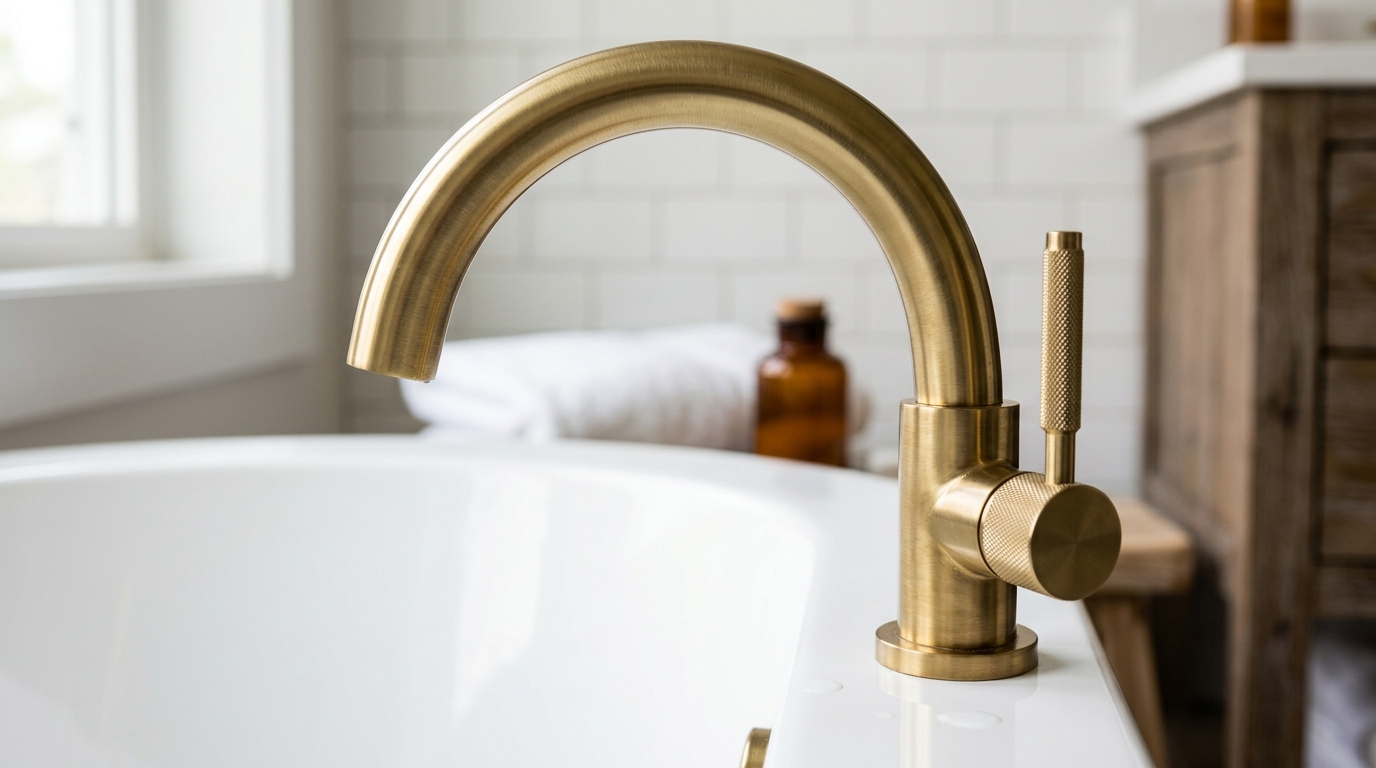
The floor-mounted faucets that many freestanding tubs use collect water spots and soap scum in hard-to-reach crevices. Our clients frequently complain about how much extra time the weekly cleaning routine takes.
Built-in tubs offer much simpler maintenance. The tub apron and surround can be designed for easy access to mechanical components, and there are fewer exposed surfaces to clean. Quality tile work around the tub creates smooth, grout-minimized surfaces that resist staining and mold growth.
Smart built-in designs include integrated storage niches, corner shelves, and smooth transitions that eliminate the awkward gaps where dirt and moisture accumulate.
We've also noticed that families with children tend to abandon freestanding tubs faster than built-ins. The difficulty of supervising bath time when you can't easily access all sides of the tub becomes a safety concern for many parents.
Design Flexibility & Style Options
Freestanding tubs certainly offer dramatic visual impact. They work especially well in contemporary and traditional designs where the tub becomes a sculptural element. Materials range from classic cast iron and acrylic to natural stone and copper, though stone and metal options get extremely expensive.
But built-in installations offer more design flexibility than most people realize. You can create custom shapes, integrate lighting, add built-in seating, and incorporate premium materials like natural stone or large-format porcelain for a luxury look that rivals any freestanding installation.
We've designed built-in tubs with waterfall edges, integrated planters, and custom tile patterns that become stunning focal points. The key is working with experienced designers who understand how to maximize the visual impact within the constraints of your space.
Platform-style built-ins can mimic the appearance of freestanding tubs while maintaining the practical benefits of integrated construction. This approach works particularly well in Palm Beach County homes where you want the luxury aesthetic without sacrificing functionality.
One advantage of built-in installations: they age better visually. Freestanding tubs can start looking dated as design trends shift, but a well-executed built-in installation with timeless materials tends to remain appealing for decades.
Cost Guide
Tub costs vary dramatically based on materials, size, and installation complexity. Here's what we're seeing in the Palm Beach County market for 2024:
The "Total Range" includes tub cost, installation labor, plumbing modifications, and finish work. Freestanding installations typically run $1,500 to $3,000 more than equivalent built-in options due to the specialized plumbing and floor preparation required.
Keep in mind these ranges don't include broader bathroom remodel costs like flooring, lighting, or ventilation upgrades that might be necessary to support your tub choice.
Labor costs in Palm Beach County tend to run higher than national averages, particularly for specialty trades like plumbing and tilework. Factor an additional 15-20% for projects in premium zip codes like Boca Raton, Naples, or Jupiter Island.
South Florida Considerations
Our climate creates specific challenges for both tub styles. High humidity means any trapped moisture becomes problematic quickly. Freestanding tubs with gaps around the base can develop mold issues that are expensive to remediate.
Hurricane considerations matter too. Freestanding tubs are essentially furniture that could shift during extreme weather events. While this isn't a major concern for most storms, it's something to consider for beachfront properties in Delray Beach or Jupiter.
Many Palm Beach County communities have architectural review processes for exterior modifications, but tub choices typically fall under interior design guidelines. However, some luxury developments in Boca Raton and Wellington have specific requirements for bathroom finishes that affect resale value.
Water quality in our area, particularly for homes with well water or older municipal connections, can cause mineral buildup and staining. Built-in tubs with integrated overflows and proper drainage tend to handle these issues better than freestanding models with exposed plumbing.
The local resale market tends to favor practical luxury over high-maintenance features. Spa-like bathroom designs that emphasize easy maintenance and timeless appeal typically perform better with buyers than statement pieces that require extensive upkeep.
For homes targeting the luxury market, particularly those over $800,000, either option can add value if executed properly. The key is ensuring the choice fits the overall home's style and the buyer demographic you're targeting.
We've found that multi-generational families, which are common in Palm Beach County, tend to prefer built-in installations. The easier access and safer bathing environment appeals to households with elderly residents or frequent grandchildren visits.
Insurance considerations also factor in. Some homeowner's policies include specific coverage requirements for luxury fixtures like high-end freestanding tubs. Check with your agent before making a significant investment.