Kitchen Color Trends 2026: Warm Neutrals, Greens & Wood Tones
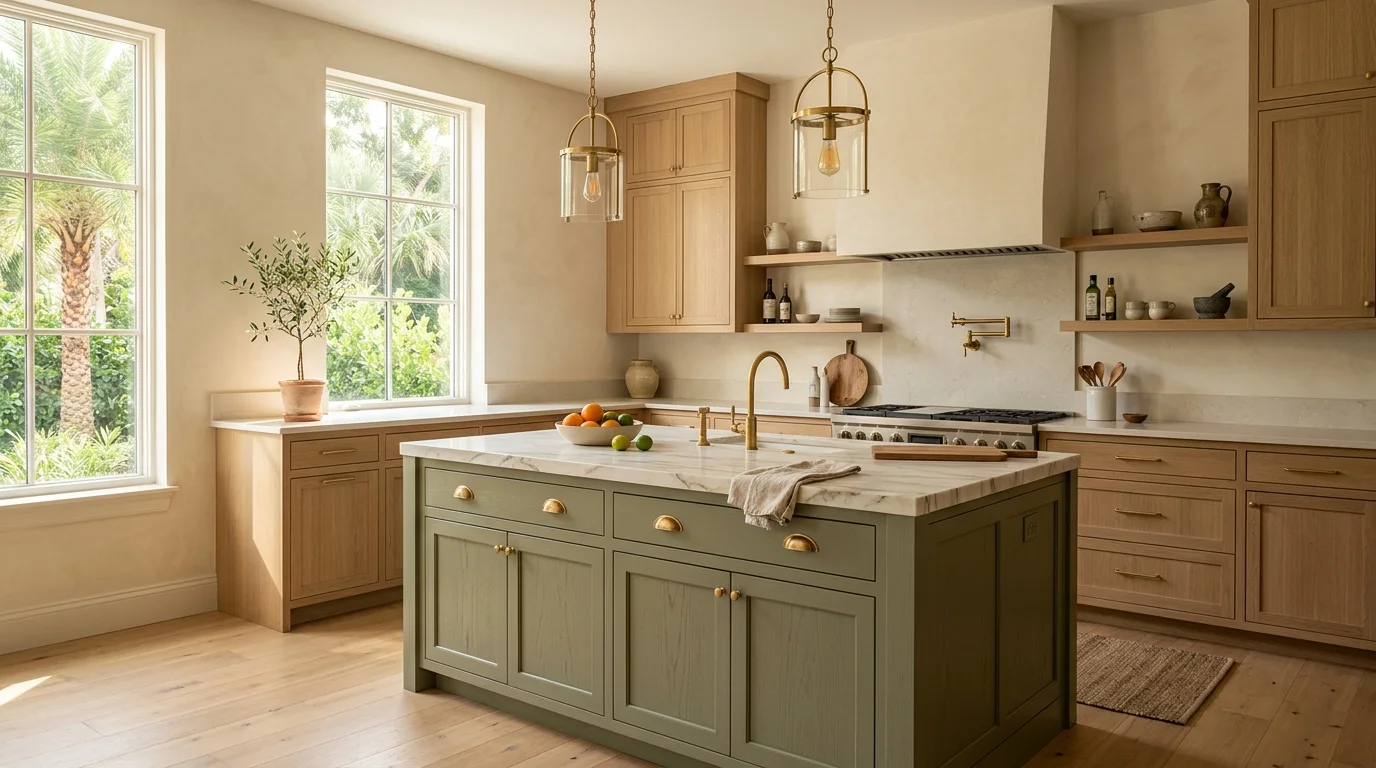
The kitchen color trends 2026 are shifting dramatically away from the stark grays and whites that dominated the last decade. Our team at South Florida Kitchen & Bath Design has been tracking this movement for months, and we're already installing warm cream cabinets, sage green islands, and natural wood accents across Palm Beach County. The change reflects homeowners' desire for spaces that feel lived-in rather than sterile.
Cool grays are out. Warm mushroom, putty, and oat tones are in. We've completed three kitchens in Boca Raton this month featuring these warmer neutrals, and the difference is striking. These colors photograph beautifully for resale while creating spaces that actually feel like home.
The shift makes perfect sense for South Florida homes. Our abundant natural light reads warm palettes differently than northern markets. What looks beige in Connecticut looks creamy and inviting in Jupiter. Understanding this distinction helps us design kitchens that work with our climate and lifestyle.
Warm Neutrals Taking Over
Forget Benjamin Moore's Agreeable Gray. The new neutral kings are warmer, more complex colors that change throughout the day. Sherwin-Williams' Accessible Beige and Benjamin Moore's Collingwood have become our most requested cabinet colors this year.
Mushroom gray offers depth without the coldness of traditional gray. We paired it with brass hardware in a Wellington kitchen last month, and the combination feels both current and timeless. Putty tones work especially well in open layouts where the kitchen flows into living areas.
Oat-colored cabinets bring warmth without being overly beige. This color particularly shines in South Florida homes with white oak flooring or natural stone countertops. The neutral base allows you to introduce bolder colors through islands, backsplashes, or accessories.
Cream remains popular but has evolved beyond basic off-white. Today's cream cabinets have subtle gray or greige undertones that prevent them from looking yellow in our intense sunlight. We recommend sampling colors in different lighting conditions before making final selections.
Green Kitchen Islands Trending
Green kitchen islands are the standout trend of 2026. Not the bright emerald greens of a few years ago, but sophisticated sage, olive, and forest tones that ground the space. We've installed sage green islands in four Delray Beach homes this quarter, each paired with warm neutral perimeter cabinets.
Sage green works particularly well in two-tone designs. The island becomes the focal point while maintaining visual calm. This approach photographs beautifully for real estate listings while creating kitchens that feel intentionally designed rather than safe.
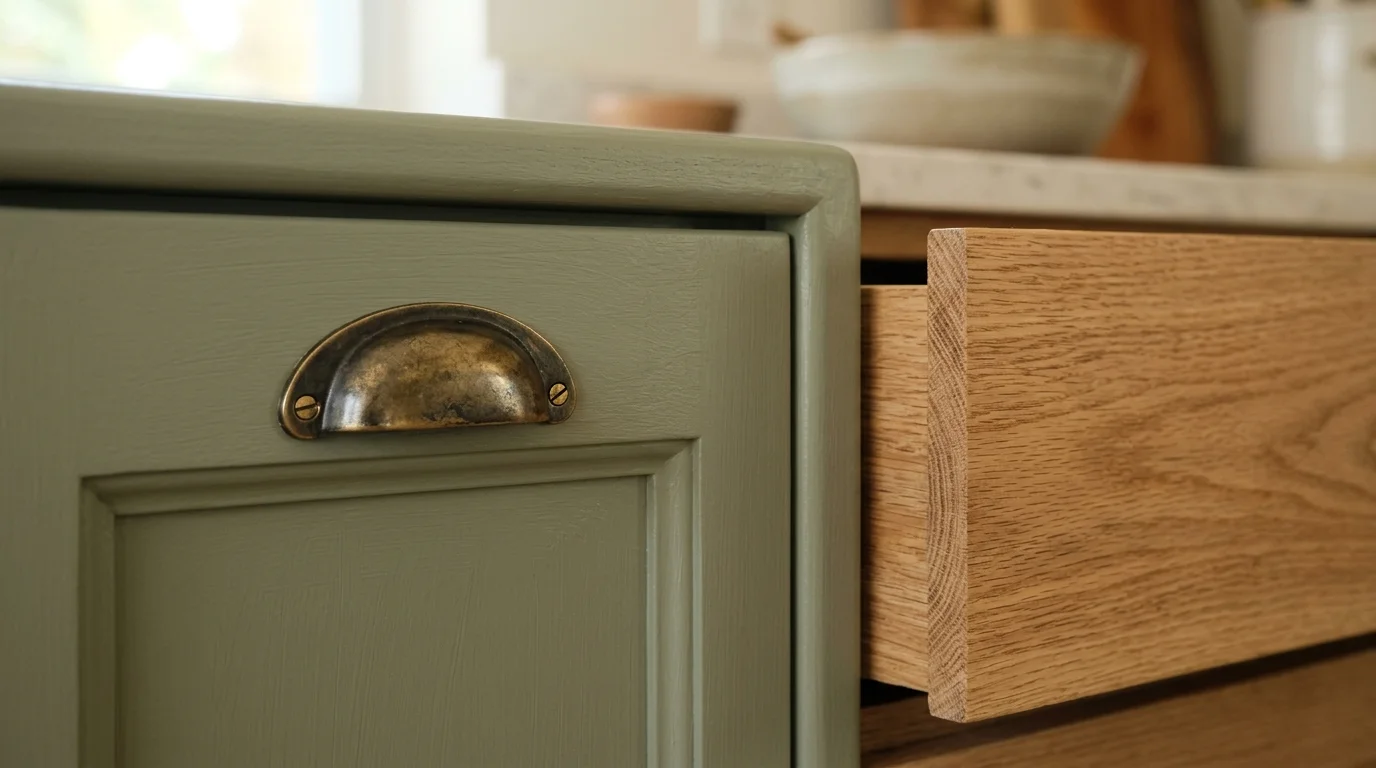
Olive green offers more depth and sophistication than sage. It pairs beautifully with brass or aged bronze hardware and natural wood elements. Forest green works in larger kitchens where you want drama without overwhelming the space.
The key to successful green islands is balance. We typically recommend keeping upper cabinets in warm neutrals and using green strategically on the island and perhaps a pantry cabinet. Too much green can feel overwhelming, especially in smaller Palm Beach County kitchens.
Natural Wood Tones Comeback
Natural wood kitchen cabinets are experiencing a major resurgence. White oak leads the trend, followed by walnut and rift-cut oak. The movement away from painted finishes reflects a broader desire for authentic materials and textures.
White oak offers versatility that works across design styles. Its grain pattern provides visual interest without overwhelming smaller spaces. We've used it extensively in South Florida homes where it pairs beautifully with stone countertops and tile backsplashes.
Walnut brings richness and sophistication to kitchen designs. The chocolate tones work particularly well with warm neutral walls and brass accents. Walnut photographs beautifully and adds significant resale value to luxury homes.
Rift-cut oak provides a more linear, contemporary look than traditional white oak. The straight grain pattern works well in modern and transitional designs. It's become our go-to wood choice for clients wanting natural materials with clean lines.
Pairing Colors With Countertops
Successful color combinations require understanding how cabinet colors interact with countertops and backsplashes. Warm neutrals pair beautifully with both light and dark stone surfaces. Sage green islands work particularly well with white quartz or light quartzite.
Cream cabinets with dark countertops create sophisticated contrast without harshness. We frequently specify this combination in homes where clients want drama but not stark black and white. The warm undertones keep the space feeling inviting.
Natural wood cabinets offer the most flexibility with countertop choices. White oak works with virtually any stone color, while walnut looks stunning with both light quartz and dramatic veined marbles.
Green islands require more careful countertop selection. White and light gray stones work beautifully, while darker options can make the green appear muddy. We typically recommend staying with lighter countertops when introducing green cabinetry.
Cost Guide
Color trends impact kitchen remodeling costs differently depending on material choices and project scope. Painted cabinets in trending colors typically cost the same as traditional white or gray. Natural wood finishes command premium pricing but offer long-term value.
Natural wood finishes typically add 20-30% to cabinet costs compared to painted options. The investment pays off in resale value and longevity. Wood cabinets age gracefully and can be refinished if trends change, while painted cabinets often require complete replacement.
Two-tone designs require additional labor for masking and coordinating different finishes. The complexity increases costs but creates significant visual impact. Most clients find the investment worthwhile for the custom appearance it provides.
South Florida Considerations
South Florida's intense sunlight affects how colors appear throughout the day. Warm neutrals that look perfect in showrooms can appear washed out in east-facing kitchens during morning hours. We always recommend viewing samples in your actual space at different times.
Humidity impacts natural wood finishes differently than painted surfaces. Our team uses specialized finishes designed for coastal climates to prevent warping and discoloration. This attention to local conditions ensures your investment maintains its appearance long-term.
Palm Beach County's architecture influences color choices. Mediterranean and Colonial Revival homes suit warm neutrals and natural wood tones better than stark contemporary palettes. We work within architectural context while incorporating current trends.
Resale considerations remain important in our luxury markets. Buyers in Boca Raton and Jupiter expect sophisticated color choices that photograph well online. Strategic updates using trending colors can significantly impact sale prices.
Hurricane preparedness affects material choices in coastal areas. Natural wood cabinets handle moisture fluctuations better than some painted finishes. We specify appropriate sealers and finishes based on your home's proximity to water and elevation.
The outdoor-indoor lifestyle common in South Florida influences color preferences. Kitchens flow to patios and pools, so colors need to work with outdoor lighting and landscaping. Warm neutrals and natural woods complement our tropical environment better than cool grays.
According to the National Association of Home Builders, kitchen remodels featuring current color trends recover 70-80% of their cost at resale, making strategic color updates a smart investment for South Florida homeowners.