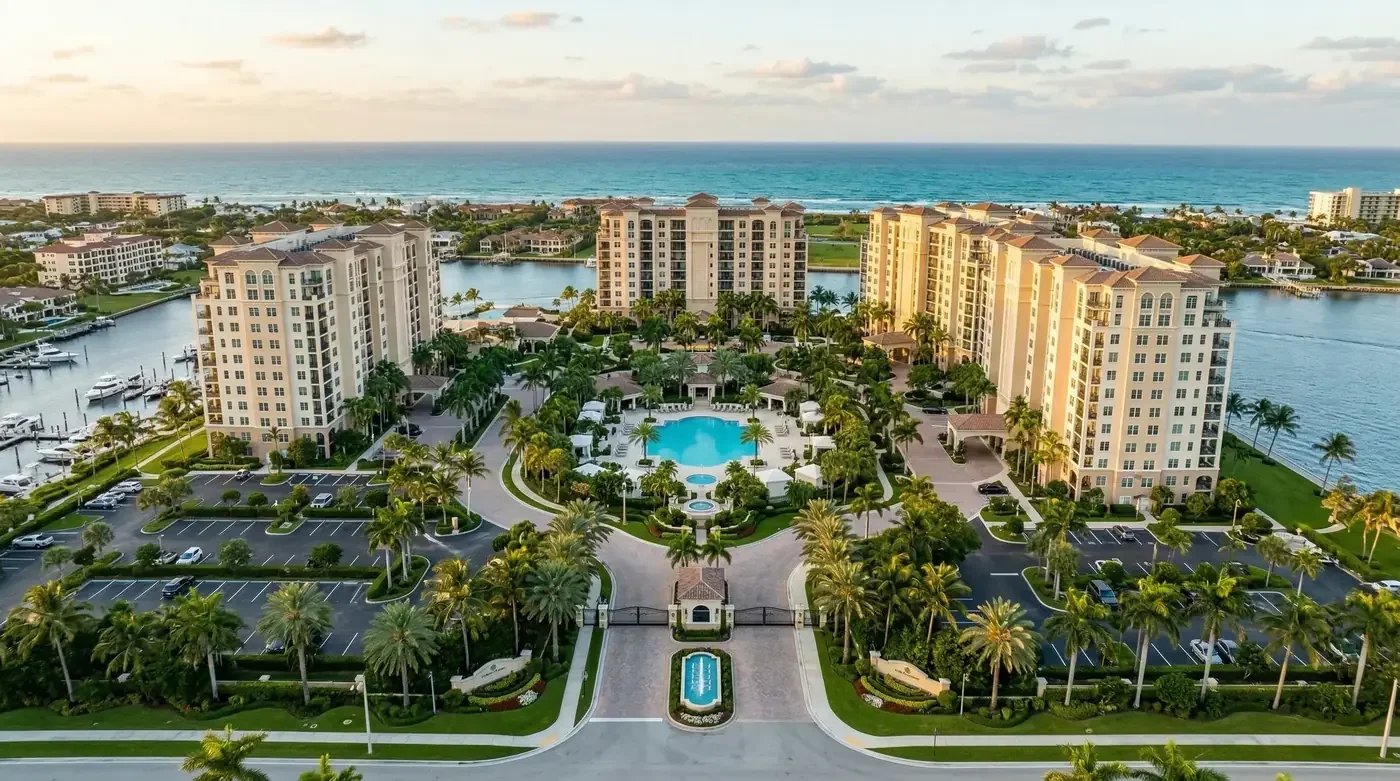
If you own a condo in Palm Beach County, whether it's in Century Village, Hunters Run, Aberdeen, Valencia Reserve, or any of the dozens of condo communities throughout the county, you've probably wondered: can I even remodel my kitchen? The answer is absolutely yes, but there are extra steps compared to a single-family home.
We've completed kitchen renovations in condos across Boca Raton, West Palm Beach, Boynton Beach, and Delray Beach. Here's everything you need to know before you start.
Step 1: Get HOA / Condo Association Approval First
This is the step most condo owners don't realize exists until it's too late. Before you hire a contractor, order materials, or pull permits, you need written approval from your condo association's board. Every association has its own Covenants, Conditions & Restrictions (CC&Rs) that govern what modifications you can make.
In Palm Beach County condos, the typical HOA approval process involves submitting an Architectural Change Request form with a detailed scope of work, providing your contractor's license and insurance certificates, getting board approval (which can take 2-6 weeks depending on meeting schedules), and in some communities, posting a refundable deposit for potential common-area damage during construction.
Common HOA restrictions we encounter include limited construction hours (typically 8 AM - 5 PM weekdays only), requirements that contractors use elevator pads and floor protection in common areas, noise restrictions, and rules about debris removal. Some associations require that all work be completed by a qualified general contractor, not a handyman or unlicensed worker.
Step 2: Understand What Permits You Need
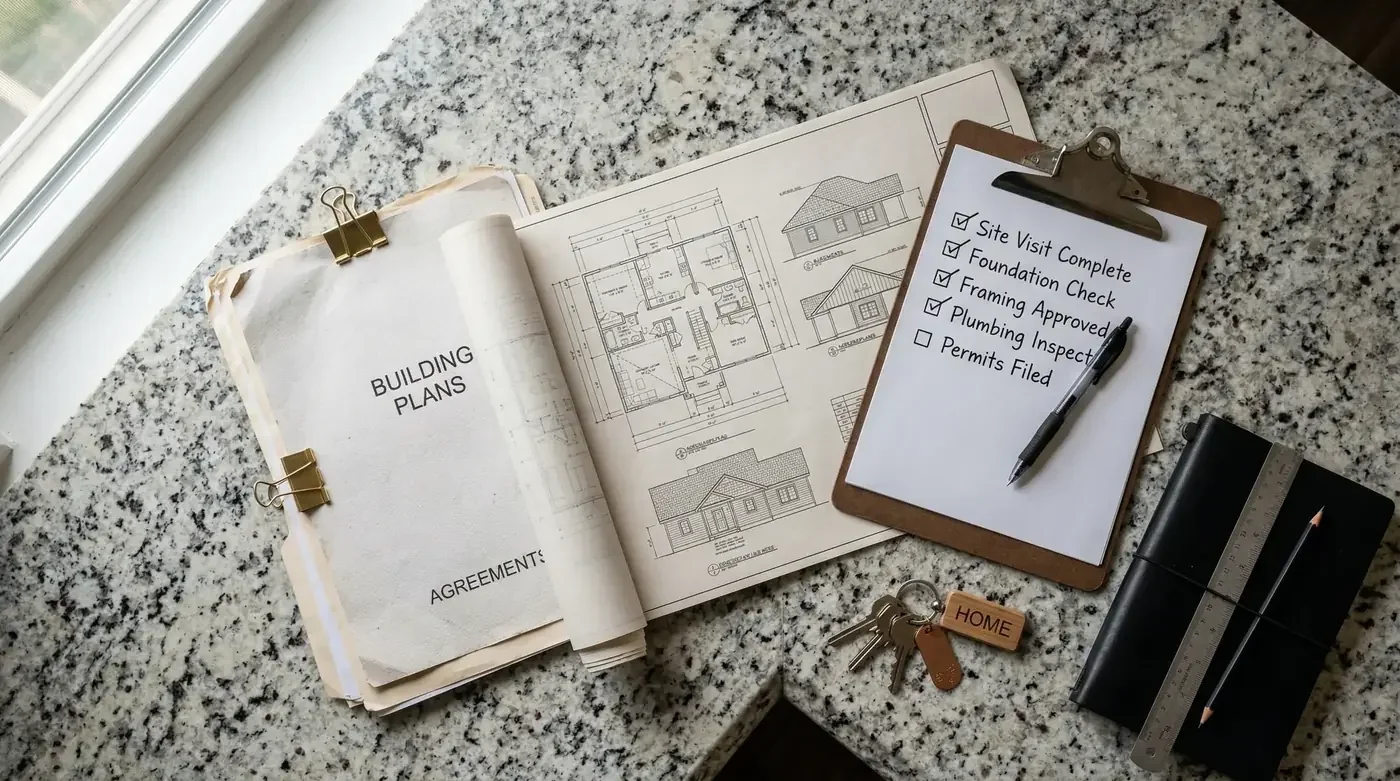
HOA approval and building permits are two separate things. Even after your condo board says yes, you may still need permits from your city or county building department. Permits are typically required when your kitchen remodel involves moving or adding plumbing, electrical work beyond simple fixture swaps, or any structural modifications.
For condos specifically, there's an important nuance: plumbing stacks are often shared between units. Moving a sink or dishwasher in a condo can affect the unit above or below you, which is why associations and building departments take these modifications seriously. Our team handles all permit applications and coordinates with your condo association throughout the process.
What Does a Condo Kitchen Remodel Cost in Palm Beach County?
Condo kitchens tend to be smaller than single-family home kitchens, which means lower material costs but not necessarily lower per-square-foot costs. Here's what to expect:
Cosmetic refresh ($5,000 - $12,000): New countertops, cabinet refacing or painting, updated hardware, new backsplash, and lighting. This level doesn't typically require permits or HOA approval beyond a courtesy notification.
Mid-range remodel ($12,000 - $25,000): New cabinets, stone countertops, tile backsplash, updated plumbing fixtures, new flooring, and lighting. This is the most common tier for Palm Beach County condo kitchens.
Full renovation ($25,000 - $50,000+): Complete gut renovation with layout changes, new plumbing runs, electrical upgrades, custom cabinetry, premium countertops, and high-end appliances. This tier definitely requires both HOA approval and permits.
Tips Specific to Condo Kitchen Remodels
Work with your neighbors. Let adjacent units know about your renovation timeline. Sound travels through shared walls, and a heads-up goes a long way toward maintaining good relationships, and avoiding complaints to the board.
Plan for elevator and hallway logistics. Getting cabinets, countertop slabs, and appliances up to your unit requires coordinating elevator access and protecting common-area floors and walls. Your contractor should have a materials delivery plan that accounts for this.
Don't skip the HOA step. We've seen homeowners who started work without approval get hit with stop-work orders, fines, and even requirements to undo completed work. The approval process takes a few weeks, but it protects your investment.
Consider your resale audience. Condo buyers in Palm Beach County want modern, clean kitchens with neutral finishes. White or light gray cabinetry, quartz countertops, and stainless appliances appeal to the broadest buyer pool if you plan to sell within 5-10 years.
Working with Your Condo Board, What to Expect
The board of directors at your condo association has real authority over what happens inside your unit, even though you own it. That surprises a lot of first-time condo owners. Florida condominiums operate under Florida Statute Chapter 718, which gives associations broad authority to regulate alterations to units, common elements, and limited common elements. The key phrase in most declarations is "material alteration", and every board interprets that phrase a little differently.
When we submit an Architectural Change Request on behalf of a client in a tower condo in Boca Raton or a mid-rise in West Palm Beach, we include more than the minimum. Boards approve projects faster when they can see exactly what is being changed and why. Our standard submission packet includes a floor plan showing existing and proposed layouts, a scope-of-work letter, contractor insurance certificates naming the association as additional insured, a demolition and debris-removal plan, and a proposed work schedule with start and finish dates. Boards hate surprises more than they hate construction, so we never leave gaps in the paperwork.
Expect a few specific questions from the property manager or the review committee. They want to know who your plumber and electrician are (many buildings maintain a pre-approved vendor list), whether you are moving any wet walls or drains, how waste and packaging will leave the building, and whether your crew will use the freight elevator or the service entrance. In older Century Village buildings and similar mid-century stock, we have also been asked to confirm that no asbestos-containing materials will be disturbed during demo, an older building with original popcorn ceilings or vinyl floor tile may require testing before demo can begin.
One tip worth repeating: do not wait for a board meeting if your building allows administrative approval for minor alterations. Some associations will approve cosmetic work (cabinet refacing, counter swap with the same footprint, tile backsplash) at the property-manager level within a week. A full gut renovation with layout changes is a different conversation and will almost always require a full board vote. We have had projects in Delray Beach and Lake Worth oceanfront buildings sit for five weeks waiting on a quorum, plan for that. Also ask whether your building requires a pre-construction walkthrough with the engineer or property manager; several Jupiter and Palm Beach Gardens towers do, and skipping it can void your approval.
Ready to remodel your condo kitchen? Schedule a free consultation, we'll assess your space, review your HOA requirements, and provide a detailed quote. Call (561) 401-0064.
Frequently Asked Questions
Do you need HOA approval for a kitchen remodel in a Palm Beach County condo?
Yes, most Palm Beach County condo associations require written approval before any renovation work begins. You will typically need to submit plans, contractor credentials, proof of insurance, and a construction deposit. Approval can take 2-6 weeks.
Can you move plumbing in a condo kitchen?
Moving plumbing in a condo is possible but complex, it typically requires HOA approval, a qualified plumber, and a permit. In some buildings the plumbing runs through shared risers which cannot be modified, limiting what can be moved.
What work hours are allowed for condo renovations in Palm Beach County?
Most Palm Beach County condo associations limit construction to Monday-Friday, typically 8 AM-5 PM or 9 AM-5 PM. Weekend work is usually prohibited. Always verify the specific rules with your building manager before signing a contract.
What insurance does a contractor need to work in a Palm Beach County condo?
Most condo associations require contractors to carry general liability insurance of at least $1,000,000 per occurrence and workers' compensation insurance. Some buildings require being named as an additional insured on the policy.
How do you protect other residents during a condo kitchen remodel?
Professional contractors use elevator pads, hallway protection, and dust containment systems. Debris must be removed daily in most buildings. Our team handles all building protection requirements and coordinates directly with building management.
Owner of South Florida Kitchen & Bath Design, serving Palm Beach County since 2016. Andre and his team have completed thousands of kitchen and bathroom renovations across Boca Raton, West Palm Beach, Wellington, Delray Beach, and the surrounding communities.