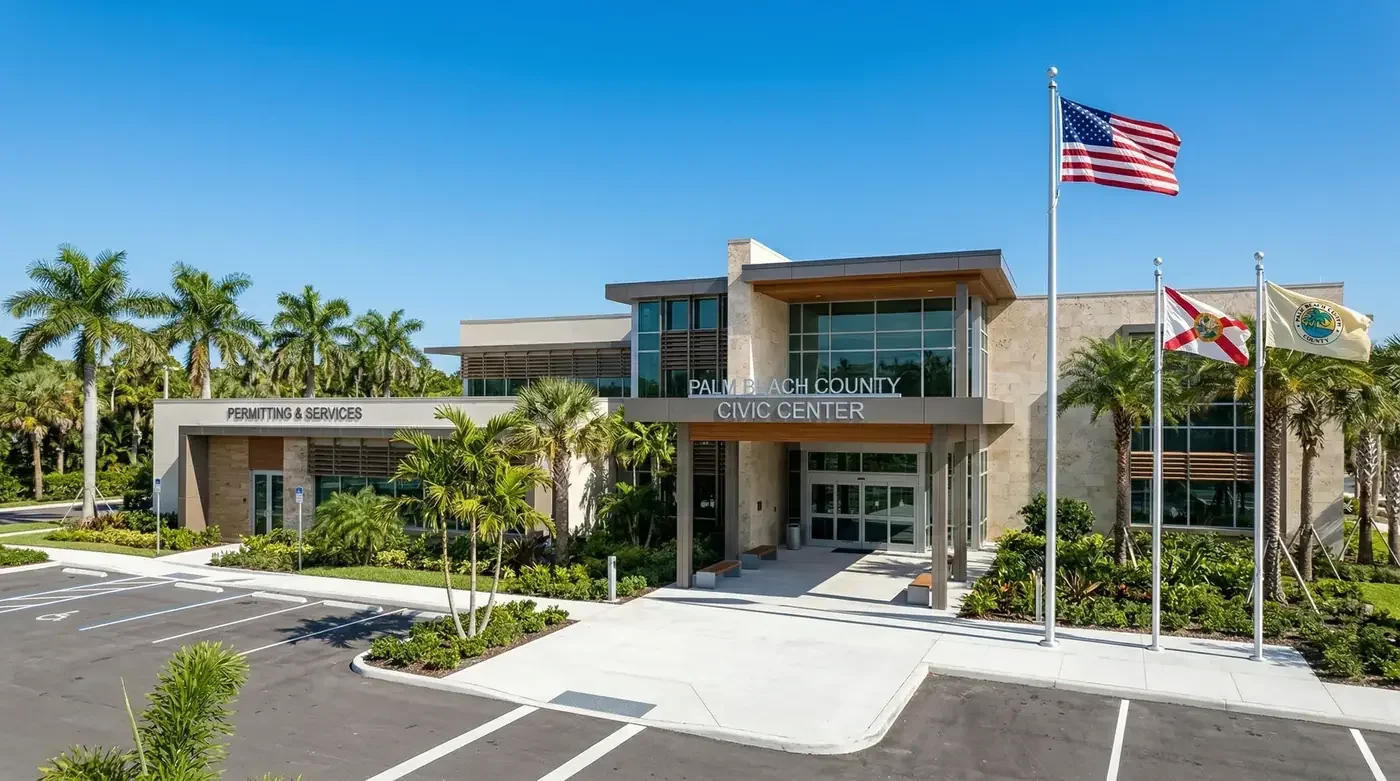
One of the most common questions we hear from Palm Beach County homeowners is: "Do I need a permit for my kitchen remodel?" The short answer: it depends on what work is being done. Here's a clear breakdown of when permits are required in Palm Beach County, how to pull them, what they cost, and what happens if you skip the process.
All kitchen work in Palm Beach County falls under the Florida Building Code, administered locally through city building departments or the county's Planning, Zoning & Building Department. Code adoption cycles run every three years, so anything we reference here reflects the 8th Edition (2023) currently in force as of this writing.
When You DO Need a Permit
In Palm Beach County, permits are required when your kitchen remodel involves any of the following:
- Plumbing changes, relocating a sink, adding a pot filler, moving a dishwasher connection, adding an instant-hot tap, or re-routing drain lines
- Electrical work beyond simple fixture swaps, adding circuits, moving outlets, installing new recessed lighting, adding GFCI or AFCI protection, or upgrading your panel
- Structural changes, removing or modifying a load-bearing wall, adding or removing a window, cutting a pass-through, or expanding the kitchen footprint
- Gas line work, running a new line for a range, moving an existing cooktop connection, or converting from electric to gas
- HVAC changes, relocating a supply or return vent, or adding a new exhaust duct for a commercial-grade range hood
- Window or door changes, any new opening or enlarged opening on an exterior wall
If your project touches plumbing, electrical, structural, gas, or HVAC, assume you need a permit and plan accordingly. The 8th Edition Florida Building Code is strict on these categories because they're the ones most likely to cause fire, flood, or collapse if done wrong.
When You DON'T Need a Permit
Cosmetic updates that don't alter plumbing, electrical, or structure typically don't require permits. This includes:
- Cabinet replacement or refacing in the same locations
- Countertop replacement on existing base cabinets
- Backsplash tile installation
- Painting walls, ceiling, or cabinets
- Hardware swaps (knobs, pulls, hinges)
- Appliance replacement in the same location with the same connections
- Flooring replacement (non-structural)
Even for non-permitted work, we always install to code. The difference between "permit required" and "not permitted" isn't about quality, it's about what the building department needs to inspect before closing the project out.
How to Pull a Permit in Palm Beach County
Palm Beach County has both city-level and county-level building departments. If you live in an incorporated city, like Boca Raton, West Palm Beach, Delray Beach, or Jupiter, permits go through your city's building department. If you live in unincorporated Palm Beach County, including parts of Wellington, Royal Palm Beach, and Greenacres, permits go through the Palm Beach County Building Division.
The typical process:
- Prepare the plans. For a kitchen remodel, the department usually wants a scaled drawing of the existing kitchen, a scaled drawing of the proposed kitchen, electrical and plumbing line diagrams, and a scope-of-work letter. Structural changes require stamped engineering drawings.
- Submit the application. Most Palm Beach County jurisdictions use the ePermitting portal for online submission. Some smaller cities still require a walk-in filing.
- Pay the fees. Permit fees run $150-$500 for a standard kitchen remodel. Structural work adds an engineering review fee of $75-$200. Gas work adds a separate gas permit (usually $75).
- Wait for plan review. First-round review comes back in 5-15 business days for most cities. If the reviewer flags anything, you revise and resubmit.
- Schedule inspections. A standard kitchen remodel has three inspection points, rough plumbing, rough electrical, and final. Gas work adds a gas inspection. Structural changes add a framing inspection.
- Pass final inspection. The permit closes out and the work is legally on record with the county. This is what a future buyer's inspector and appraiser will check.
The county's Building Division and most cities post checklists online showing exactly which documents they expect. Reading one of those checklists before you start saves a round of back-and-forth with the reviewer.
How Long Permits Take
Turnaround times vary by municipality. Based on our experience over the last two years:
- Boca Raton: 2-4 weeks for permit approval, rigorous plan review
- West Palm Beach: 1-3 weeks, ePermitting portal speeds things up
- Delray Beach: 2-3 weeks
- Jupiter and Palm Beach Gardens: 1-2 weeks, usually the fastest in the county
- Palm Beach County (unincorporated, Wellington areas, Royal Palm Beach, Greenacres): 2-4 weeks
- Lake Worth Beach: 2-3 weeks
- Lantana and Boynton Beach: 1-3 weeks
These timelines are for standard kitchen remodels with complete submissions. Projects requiring structural engineering, historic district review (Flagler Drive, Northwood, parts of Delray), or HOA approval stack additional time on top. Expedited review is available in Boca Raton and West Palm Beach for an extra fee, typically cuts review time in half.
The single biggest cause of delay isn't the reviewer. It's incomplete plans on submission. A clean, complete package almost always clears first-round review.
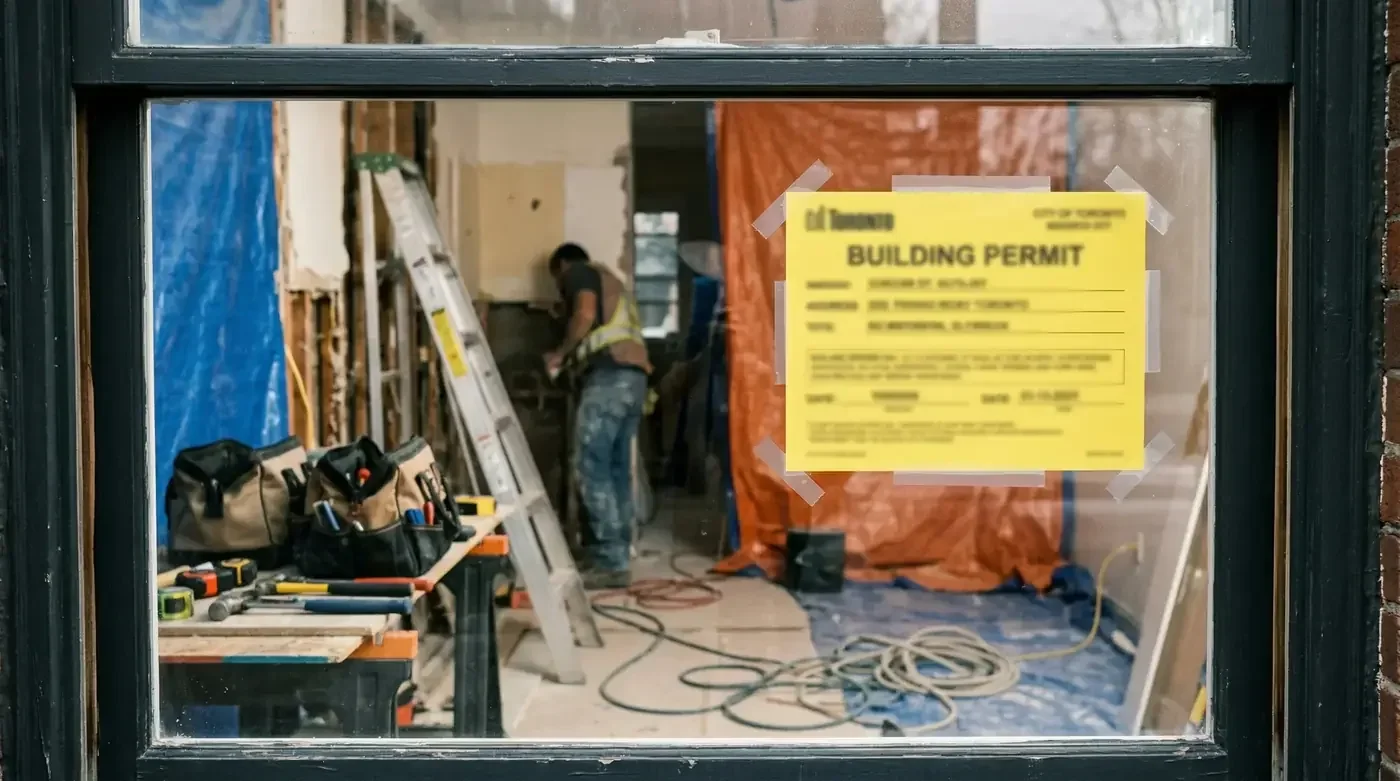
What Happens If You Skip the Permit
Homeowners and cut-rate contractors sometimes try to skip permits to save time or fees. It's a bad bet. Here's what actually happens:
Stop-work orders. If a neighbor reports the work, or an inspector happens to drive by, the county can post a stop-work order. Everything halts until you pull a retroactive permit, which costs more and requires exposing finished work for inspection. We've seen homeowners rip out brand-new drywall and cabinets to show inspectors the rough plumbing underneath.
Fines. Unpermitted work typically carries a fine equal to double the original permit fee, sometimes more. Structural violations in Palm Beach County can run into thousands.
Insurance problems. If an unpermitted electrical circuit later starts a fire, most homeowner's policies have a clause that excludes damage from unpermitted modifications. You'd be out of pocket for the full loss.
Resale problems. When you sell, the buyer's inspector flags unpermitted work. The title company flags open permits. The lender may refuse to close on the home. We've watched deals fall apart the week of closing because an unpermitted wall removal turned up in the inspection report.
Hurricane season exposure. After a major storm, the county cross-references damage claims against permitted work. Unpermitted modifications found during post-storm reviews can delay or deny insurance payouts.
The upside of permits is more than just compliance. A closed permit is a paper trail that protects the home's value for decades.
How We Handle the Permit Process
At South Florida Kitchen & Bath Design, we manage the entire permit process for every project, from application and plan submission to scheduling inspections and obtaining final approval. You never need to visit a government office, wait in line, or decipher code requirements. It's built into our process and our pricing, so there are no surprise fees partway through the project.
Our project manager coordinates with the building department, tracks each inspection, and keeps you informed at every stage. If a reviewer asks for a revision, we handle it without slowing your project down. When the final inspection passes, we hand you the closed permit alongside the final walkthrough, proof on record that your new kitchen is fully compliant with Palm Beach County code.
Have questions about whether your specific project needs permits? Schedule a free consultation and we'll assess your scope, explain the permit requirements, and include everything in your detailed project quote. Call (561) 401-0064 or fill out the form on this page.
Frequently Asked Questions
Do you need a permit to replace kitchen cabinets in Palm Beach County?
No, replacing cabinets in the same location without moving plumbing or electrical does not require a permit in Palm Beach County. If you are adding new outlets, moving the sink, or changing the gas line location, a permit is required.
How much does a kitchen remodel permit cost in Palm Beach County?
Permit fees in Palm Beach County typically run $150-$500 for a standard kitchen remodel, depending on the scope of work and the municipality. Some cities like Boca Raton have slightly different fee schedules than unincorporated Palm Beach County.
What happens if you remodel a kitchen without a permit in Palm Beach County?
Unpermitted work can lead to fines, a stop-work order, and required demolition of unpermitted construction. More importantly, it can cause problems during home sales, buyers' inspectors flag unpermitted work, and lenders may refuse to finance homes with open permit violations.
How long does it take to get a kitchen remodel permit in Palm Beach County?
Most standard permits are approved within 5-15 business days. Projects requiring structural or electrical review can take 3-6 weeks. Expedited review is available in some municipalities for an additional fee.
Who pulls the permit, the homeowner or the contractor?
Either can pull the permit, but standard practice is for the general contractor to pull it so the contractor is on record with the county as responsible for the work meeting code. Your GC handles permits as part of their project management, we coordinate the cabinetry, countertop, and finish work around their schedule.
Owner of South Florida Kitchen & Bath Design, serving Palm Beach County since 2016. Andre and his team have completed thousands of kitchen and bathroom renovations across Boca Raton, West Palm Beach, Wellington, Delray Beach, and the surrounding communities.