Luxury Vinyl Plank for South Florida Bathrooms
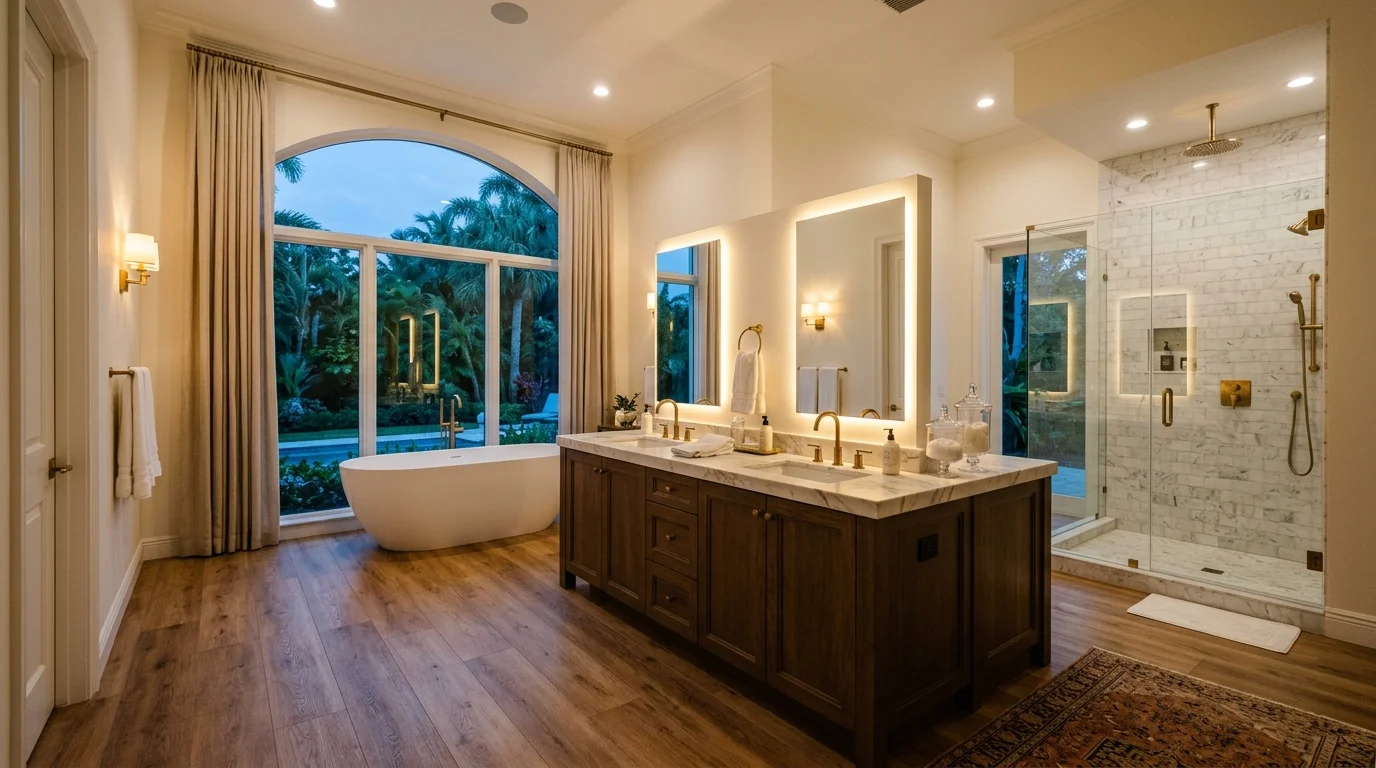
Luxury vinyl plank bathroom flooring has become a game-changer for South Florida homeowners dealing with year-round humidity, frequent storms, and the constant battle against moisture. We see more clients choosing LVP over traditional ceramic tile because it delivers the wood look they want without the maintenance headaches that come with our climate.
After installing luxury vinyl plank in hundreds of bathrooms across Palm Beach County, Boca Raton, Delray Beach, Wellington, and Jupiter, we've learned what works and what doesn't in our unique environment. The right LVP product can handle Florida's 80% humidity days, sudden downpours, and the temperature swings that come from running AC year-round.
But not all luxury vinyl plank is created equal. The wrong choice leads to edge lifting, subfloor moisture issues, and that telltale "plastic" look that screams cheap renovation. Here's what we recommend based on real Palm Beach County installations.
Waterproof Ratings and Performance
True waterproof LVP uses a rigid core construction that won't expand or contract with moisture changes. We only specify products with a 100% waterproof rating from the surface through the core to the backing. This isn't the same as "water-resistant" vinyl that can still absorb moisture at the seams.
The best performing products in our South Florida installations use SPC (Stone Plastic Composite) or WPC (Wood Plastic Composite) cores. SPC handles temperature fluctuations better, while WPC offers more comfort underfoot. Both outperform traditional LVT (Luxury Vinyl Tile) in humid environments.
We test waterproof claims by submerging samples for 72 hours. Products that show any swelling, warping, or delamination don't make our approved list. Major manufacturers like Shaw, Mohawk, and COREtec publish detailed water resistance data that backs up their claims.
Edge sealing matters more than most homeowners realize. Premium LVP uses micro-beveled edges and enhanced locking systems that create tighter seams. This prevents moisture infiltration that can lead to subfloor damage over time.
Cost Comparison: LVP vs Traditional Tile
The upfront cost difference between quality LVP and ceramic tile isn't as dramatic as you might think. Premium luxury vinyl plank runs $4-$8 per square foot, while mid-range ceramic tile typically costs $3-$6 per square foot. But installation labor tells a different story.
LVP installation is faster and requires less specialized skill than tile work. Most bathroom floors can be completed in one day versus 2-3 days for tile (including grout cure time). This translates to lower labor costs and less disruption to your household.
Long-term maintenance costs favor LVP significantly. No grout to clean, seal, or replace. No cracked tiles from dropped items. No cold feet on winter mornings when the AC has been running all night. The total cost of ownership over 15-20 years makes LVP the more economical choice for most homeowners.
However, tile still wins for resale value perception. Many buyers, especially in luxury markets like Jupiter and Wellington, expect natural stone or ceramic in bathroom renovations. We help clients weigh immediate comfort and practicality against potential resale considerations.
Florida Humidity Performance
South Florida's humidity creates unique challenges that don't exist in drier climates. During summer months, indoor humidity can spike above 60% even with AC running. This constant moisture exposure tests flooring materials in ways that standard lab testing can't replicate.
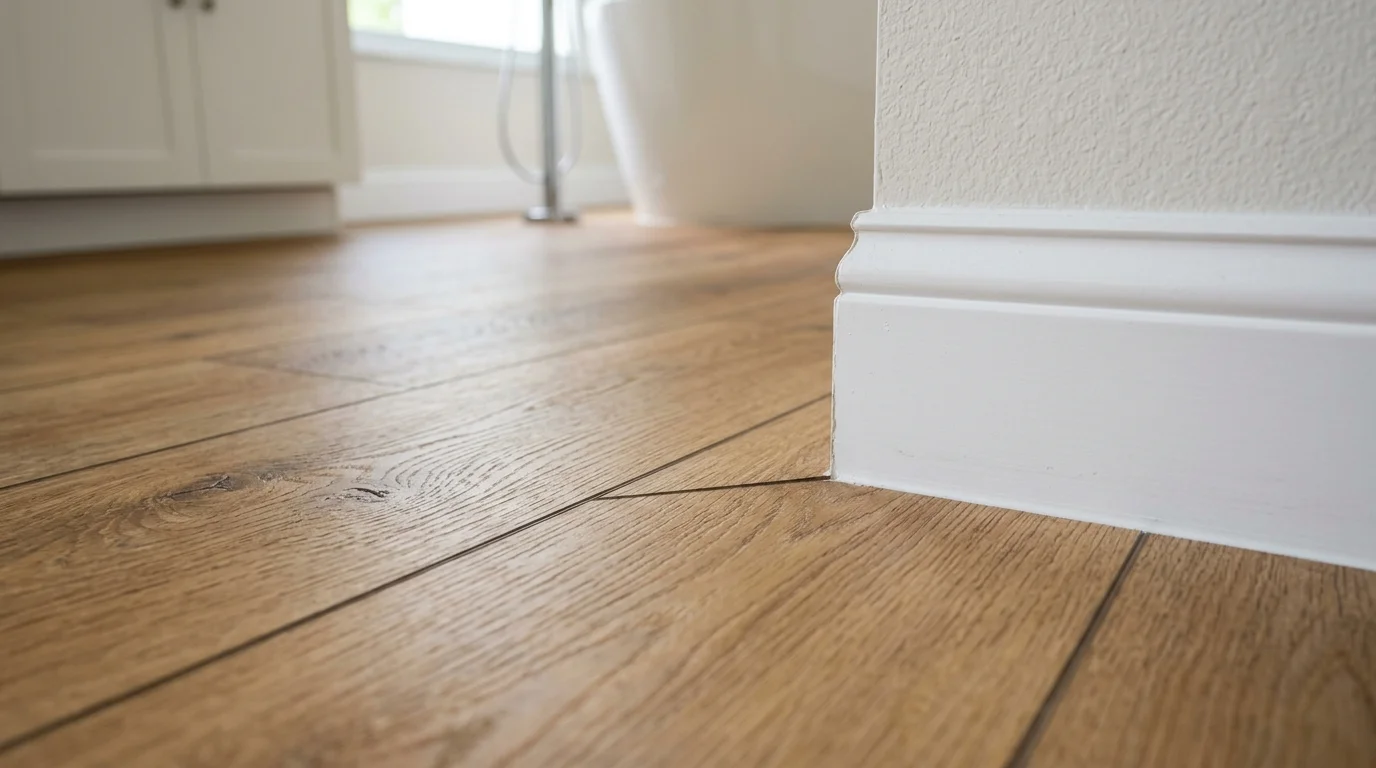
We've tracked LVP performance in coastal homes from Delray Beach to Jupiter over multiple hurricane seasons. Products with proper vapor barriers and climate-rated adhesives maintain their appearance and structural integrity. Cheaper options show edge lifting, especially around toilet bases and shower thresholds where moisture exposure is highest.
The subfloor preparation becomes critical in humid environments. We always test moisture levels and install appropriate vapor barriers before any LVP installation. Concrete slabs need moisture mitigation if readings exceed manufacturer specifications. This step prevents future adhesion failures that show up 2-3 years after installation.
Temperature stability matters year-round. Quality LVP handles the 20-degree temperature swings between air-conditioned indoor spaces and Florida's outdoor heat. Lower-grade products can show gapping in winter when AC usage drops and expansion during peak summer months.
Installation Considerations
Proper acclimation prevents most LVP installation problems. We bring materials into the home 48 hours before installation and maintain consistent temperature and humidity levels. This allows the product to adjust to your home's specific environment before permanent installation.
Bathroom-specific installation details include waterproof transitions at shower thresholds, proper caulking around toilets and vanities, and quarter-round trim that can handle occasional moisture exposure. We use marine-grade sealants for all perimeter work in bathroom applications.
Existing flooring removal depends on the current material. We can install quality LVP over properly prepared concrete, plywood, or existing vinyl. But tile removal is usually necessary due to height differences and uneven surfaces that would telegraph through the new flooring.
Code compliance matters for waterproofing requirements in bathroom renovations. While flooring itself doesn't typically trigger permit requirements, major layout changes might. Your general contractor handles permitting when scope expands beyond finish work.
Cost Guide
LVP bathroom flooring costs vary significantly based on product quality, room size, and installation complexity. Here's what we see in current Palm Beach County market pricing:
Total project costs for typical bathroom sizes:
Additional costs to consider include removal of existing flooring ($2-$4 per square foot), subfloor repairs if needed, and premium transition strips for doorways. Most installations include standard quarter-round trim and basic threshold transitions.
South Florida Considerations
Hurricane preparedness influences flooring choices for many coastal Palm Beach County homeowners. LVP offers advantages over tile during storm events, it's more forgiving with structural movement and easier to clean up if flooding occurs. The ability to remove and reinstall sections makes storm recovery more manageable.
Salt air exposure in coastal communities from Jupiter to Delray Beach doesn't affect LVP like it does natural materials. No expansion issues from salt absorption. No staining from moisture carrying salt residue. This makes LVP particularly attractive for beachfront properties and homes within the coastal ridge.
HOA and architectural review requirements vary by community. Some luxury developments still specify natural materials only. We help clients navigate these restrictions and identify LVP products that meet aesthetic requirements while delivering practical performance benefits.
The year-round construction season in South Florida means material availability stays consistent. No weather delays for outdoor delivery or temperature restrictions during installation. This scheduling flexibility often makes LVP projects more convenient than tile work that requires specific environmental conditions for proper curing.
Energy efficiency considerations matter with flooring choices. LVP provides better insulation value than ceramic tile, reducing the load on AC systems. Over time, this contributes to lower energy costs, a significant factor in our climate where cooling represents 60-70% of annual energy usage.
We often combine LVP flooring with other bathroom renovation elements to create cohesive designs that work with South Florida's indoor-outdoor lifestyle. The flexibility of LVP allows for clean integration with coastal, contemporary, or traditional design themes popular in our market.