Should You Remodel Your Kitchen Before Selling in Florida?
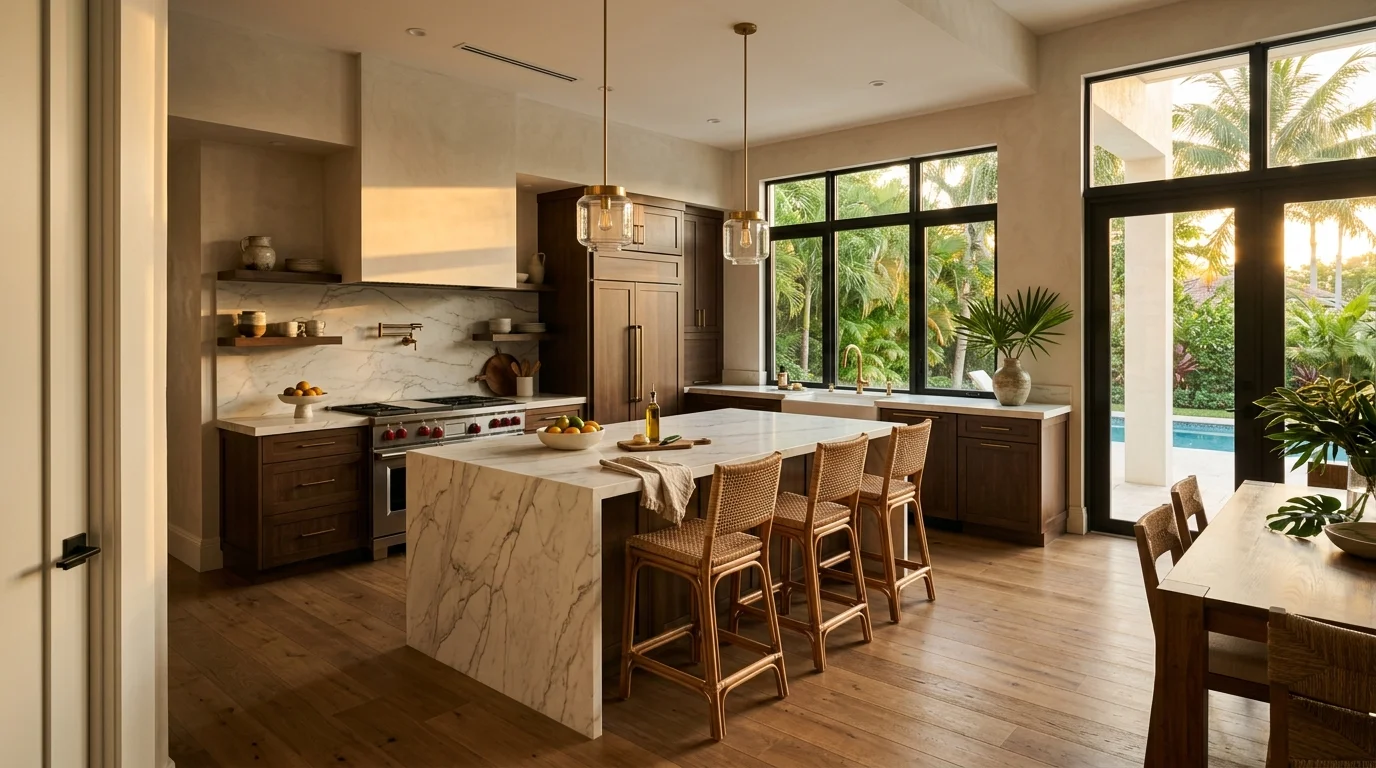
Should I remodel kitchen before selling? It's the question we hear from homeowners across Palm Beach County who want to maximize their return before listing. The answer isn't always straightforward, it depends on your current kitchen condition, local market expectations, and how much you're willing to invest versus your timeline to sell.
Here's what our team has observed after working with hundreds of homeowners in Boca Raton, Delray Beach, Wellington, and Jupiter: the right kitchen updates can return 70-85% of your investment in Florida's competitive market. The wrong ones? You might spend $40,000 and see zero additional offers.
We've seen sellers make expensive mistakes, like installing luxury finishes in starter home neighborhoods, or skipping basic updates that turn off every buyer who walks through the door. This guide breaks down exactly what works, what doesn't, and how to make the smartest pre-sale kitchen decisions for your specific situation and budget.
ROI Analysis for Kitchen Remodels
According to Remodeling Magazine's 2024 Cost vs. Value Report, minor kitchen remodels in the South Atlantic region (including Florida) return an average of 85.7% of the investment at resale. Major kitchen remodels return 67.4%.
But those are national averages. Palm Beach County's luxury market tells a different story. We've tracked our clients' sale outcomes and found that strategic kitchen updates in the $15,000-$30,000 range often return 90-100% of the investment when done correctly. The key word: strategic.
High-end remodels ($50,000+) rarely return full value unless you're in luxury neighborhoods like Wellington's Ibis or Jupiter's Admirals Cove. Most buyers in those areas expect updated kitchens anyway, you're not adding value, you're just avoiding a penalty.
The sweet spot? Cabinet refacing, new countertops, updated hardware, and fresh paint. These updates address the visual elements that make or break first impressions without the massive investment of a full gut renovation.
Minor vs Major Remodel Strategy
Minor remodels focus on cosmetic updates that refresh the space without changing the layout. Think cabinet refacing or replacement, new countertops, backsplash updates, and appliance swaps. Timeline: 2-4 weeks. Investment: $15,000-$35,000.
Major remodels involve layout changes, moving plumbing, electrical work, and structural modifications. Timeline: 8-16 weeks. Investment: $50,000-$100,000+.
For pre-sale purposes, we recommend minor remodels 90% of the time. Here's why: buyers want to see updated finishes, but they also want to move in quickly. A kitchen that's 85% of what they want but move-in ready beats a construction project every time.
The exception? If your kitchen has a seriously dysfunctional layout, like no counter space next to the stove, or a peninsula blocking traffic flow, then layout changes might be worth considering. But only if you're in a price range where buyers expect custom kitchens.
We've seen sellers spend six months on major remodels, then list their homes during slow winter months instead of peak spring selling season. The carrying costs and opportunity cost often wipe out any potential ROI gains.
What Florida Buyers Expect
Florida buyers have specific expectations shaped by the climate and lifestyle. Granite or quartz countertops aren't luxuries here, they're baseline expectations in most price ranges above $400,000. Laminate countertops will kill showings.
Tile backsplashes are standard. Full-height backsplashes read as updated and intentional. Four-inch backsplashes scream "builder basic" and date your kitchen immediately.
Stainless steel appliances remain the safe choice. Black stainless has appeal but limits your buyer pool. Colored appliances are risky unless you're targeting a very specific demographic.
Cabinet hardware matters more than most sellers realize. Brushed gold and matte black finishes test well with buyers. Polished brass looks dated unless it's part of a cohesive vintage design scheme.

Storage solutions sell houses. Pantry organization systems, pull-out drawers, and lazy Susans show buyers you understand how kitchens actually function. These details separate your listing from the dozens of others they'll tour.
Lighting is critical. Under-cabinet LED strips eliminate shadows and make countertops appear larger. Pendant lights over islands create focal points. Recessed lighting provides general illumination. Buyers notice dark kitchens immediately.
Pre-Sale Remodel Cost Guide
Based on current Palm Beach County pricing, here's what different pre-sale strategies actually cost:
The 30 percent rule applies here: don't spend more than 30% of your home's value on any single room renovation. For a $600,000 home, that caps kitchen investment at $180,000. For pre-sale purposes, we recommend staying well below that threshold.
Paint delivers the highest ROI of any update. Fresh cabinet paint in contemporary colors like soft whites, warm grays, or navy blues costs $2,500-$4,500 and can make a 15-year-old kitchen feel current.
South Florida Market Considerations
Florida's real estate market moves differently than northern markets. Peak selling season runs from January through May when snowbirds and relocating families are actively shopping. Listing during this window with an updated kitchen can justify premium pricing.
Hurricane resistance influences buyer decisions. Moisture-resistant materials like quartz countertops and porcelain tile backsplashes appeal to buyers who understand Florida's humidity and storm risks.
Age-in-place features are increasingly important as Florida attracts retirees. Pull-out drawers, accessible storage, and easy-to-clean surfaces resonate with buyers planning long-term residence.
Condo markets in Boca Raton and Delray Beach have different expectations than single-family home markets in Wellington or Jupiter. Condo buyers often prioritize low-maintenance finishes and efficient layouts over grand design statements.
The luxury market ($1M+) requires different strategies. Buyers expect custom cabinetry, premium stone countertops, and high-end appliances. Cutting corners on materials or finishes will be immediately apparent to qualified buyers in this segment.
Investment property buyers focus on durability and rental appeal. All-white kitchens photograph well for rental listings and appeal to the broadest range of tenants.
Gated community sales often involve architectural review board approvals that can delay closings if kitchens don't meet community standards. We recommend researching your community's design guidelines before starting any updates.
Updates That Don't Pay Off Before Selling
Not every improvement returns what you spend, and a few actively scare buyers off. The one we steer sellers away from most is a highly personal, fully custom kitchen. Bold cabinet colors, an unusual layout, or a high-end imported range read as someone else's taste to a buyer who is already pricing in the cost of changing it. Neutral and broadly appealing wins almost every time when the goal is a sale rather than a forever home.
Over-improving for the neighborhood is the other trap. If homes on your street sell around $500,000, a $90,000 chef's kitchen won't lift your price to match. Appraisers cap value against comparable sales, so the money above that ceiling comes out of your pocket, not the buyer's. We help sellers right-size the scope so the kitchen photographs well and inspects clean without chasing a return that isn't there.
Finally, skip anything that opens permits you can't close before listing. Moving plumbing or a load-bearing wall can stall a sale for weeks waiting on inspections, and an open permit is a red flag that surfaces in title searches. For a pre-sale refresh we keep the work inside the existing footprint: new doors and hardware, updated counters, fresh paint, and modern lighting. That package shows beautifully in listing photos and usually recovers more than it costs.