Sustainable Kitchen Materials for South Florida Homes
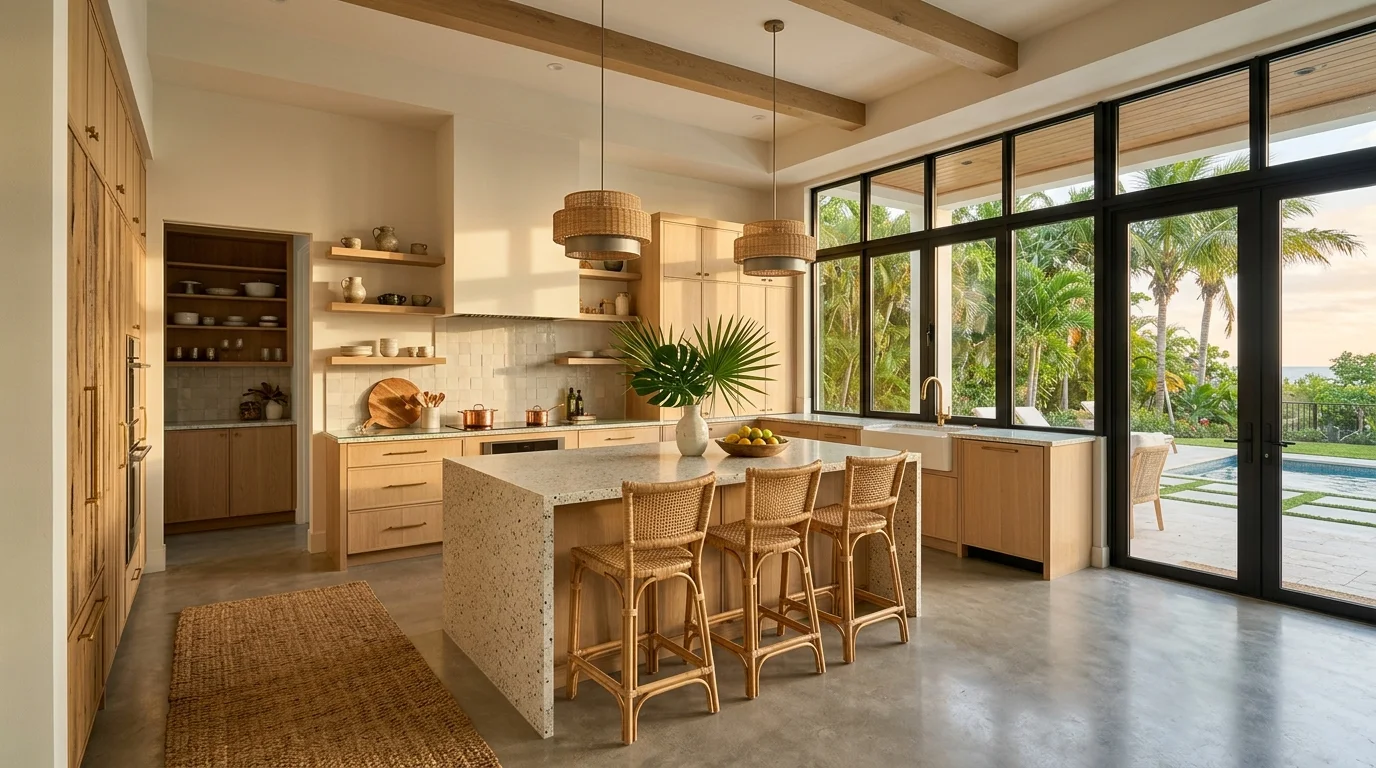
Choosing eco-friendly kitchen materials for your Palm Beach County home doesn't mean giving up style or durability. Our team works with green materials every day, from bamboo cabinets to recycled glass countertops that stand up to Florida's heat and humidity. These materials are easier on the planet while giving you the performance South Florida kitchens need.
We suggest eco-friendly options for clients in Boca Raton, Delray Beach, Wellington, and Jupiter who want responsible design choices. The key is picking materials that hold up in our climate and meet strict green standards. Not all "green" materials work equally well in coastal conditions.
Why Sustainable Materials Matter in Florida
Florida's building industry uses huge amounts of resources. Every eco-friendly choice shrinks that footprint. Our state's fast growth means construction waste piles up quickly. Choosing recycled, reusable, or responsibly sourced materials keeps usable materials out of landfills.
Eco-friendly materials often perform better than standard options in Florida's tough environment. Bamboo resists moisture better than many hardwoods. Recycled glass counters handle heat without damage. Low-VOC finishes won't off-gas in hot weather. That keeps indoor air clean even when homes stay closed up during summer months.
The Florida Building Code backs green building through energy efficiency rules. These don't directly require eco-friendly materials, but they reward choices that lower long-term impact on the planet. Smart material choices fit right in with these wider goals.
Cost matters too. Many sustainable materials cost the same or less than premium conventional options. Kitchen remodel budgets often have room for green upgrades without breaking the bank, especially when you factor in longer lifespan and better performance.
Bamboo Cabinetry Options
Bamboo cabinet building has improved a lot in recent years. We suggest strand-woven bamboo for door panels and face frames. This process presses bamboo fibers under high pressure, creating material harder than most hardwoods. The result performs better than oak or maple in humid conditions.
Traditional bamboo plywood works well for cabinet boxes. The layered build gives it great stability. Bamboo plywood doesn't warp or split like solid wood might in Florida's humidity swings. We've installed bamboo boxes in Wellington homes that look perfect five years later.
Bamboo grows incredibly fast compared to hardwood trees. A bamboo grove is ready to harvest in 3-5 years versus 25-50 years for hardwood forests. This fast regrowth makes bamboo one of the most eco-friendly building materials you can buy. The carbon footprint stays low because it usually travels shorter distances than exotic hardwoods.
Color options range from natural blonde to rich caramelized tones. The caramelizing process uses heat and pressure rather than stains or dyes. This creates even color that won't fade or wear off over time. Natural bamboo works beautifully with white or light counters, while caramelized bamboo pairs well with darker stone surfaces.
Installation follows standard cabinet steps. Bamboo takes screws and hinges like traditional wood. Our crews work with bamboo often and know how to handle its quirks. The material cuts cleanly and doesn't splinter like some hardwoods.
Recycled Glass Countertops
Recycled glass countertops contain 80-90% post-consumer glass mixed with cement or resin binders. The glass comes from bottles, windows, and other thrown-out glass products. This keeps waste out of landfills while creating beautiful, durable surfaces.
Performance in Florida kitchens beats most expectations. Glass doesn't soak up moisture, stain, or hold bacteria. It handles heat better than laminate and matches natural stone. We've seen recycled glass counters take hot pans without damage, though trivets remain a smart habit for any surface.
Color choices seem endless. Clear glass creates subtle sparkle. Colored glass adds bold flair. Some products blend several glass colors for rich patterns. Ocean-inspired blues and greens work especially well in coastal Palm Beach County homes. The glass catches and reflects light beautifully, making kitchens feel brighter and more open.
Upkeep stays simple. Daily cleaning needs only soap and water. The non-porous surface resists stains that soak into natural stone. Scratches rarely happen with normal use. If damage does happen, most recycled glass surfaces can be refinished rather than replaced.
Installation needs skilled fabricators. The material cuts differently than stone. We work with fabricators who focus on recycled glass products. They know how the material behaves and deliver steady, good results. Edge profiles range from simple bevels to detailed ogee shapes.
FSC-Certified Wood Cabinets
Forest Stewardship Council (FSC) certification guarantees responsible forest care. FSC-certified lumber comes from forests managed for the environment, people, and the local economy. This system tracks wood from forest to finished product. That makes sure the sourcing stays responsible at every step.
We source FSC-certified oak, maple, cherry, and walnut for custom cabinet projects. The wood performs just like non-certified lumber but comes with green guarantees. FSC forests protect plant and animal life, guard wildlife habitat, and pay fair wages to workers. Backing these practices helps save forest resources for future generations.
FSC certification doesn't change how the wood looks or holds up. Certified maple looks and performs exactly like standard maple. The difference is in how the forest is managed, not the wood quality. This makes FSC certification an easy upgrade for eco-minded clients.
FSC lumber usually costs 10-15% more than standard wood. For most cabinet projects, that comes to a few hundred dollars difference. The extra cost pays for responsible forest care and certification tracking. Many clients see this as a worthwhile way to help protect the planet.
Popular FSC woods for South Florida kitchens include white oak for its clean grain and durability, maple for painted finishes, and walnut for rich natural color. These woods grow well in responsibly managed North American forests. Exotic imports like mahogany or teak carry a higher cost to the planet even when FSC-certified.
We suggest FSC-certified plywood for cabinet boxes when possible. This brings green practices to the hidden parts too. FSC plywood performs as well as standard options while backing responsible forestry. The certification tracking carries through all the wood products in the project.
Low-VOC Finishes & Coatings
Volatile organic compounds (VOCs) off-gas from paints, stains, and clear coats, hurting indoor air quality. Traditional finishes can give off VOCs for months after they go on. In Florida's heat, off-gassing speeds up and gets more noticeable. Low-VOC options fix these problems without giving up performance.
Water-based polyurethane finishes offer great durability with very low VOC content. These finishes dry quickly in Florida's humidity and give clear, hard protection for wood surfaces. We use water-based poly on cabinet interiors and shelving where durability matters but looks come second.
Low-VOC cabinet paints have improved a lot. Modern blends give great coverage, durability, and color that lasts. The paint cures well in humid conditions and resists yellowing over time. We've had great results with low-VOC paints in coastal Delray Beach and Jupiter homes where salt air is hard on many finishes.
Natural oil finishes like tung oil and linseed oil contain zero VOCs. These soak-in finishes bring out the wood grain while giving moderate protection. They work well on bamboo and FSC-certified wood where natural beauty comes first. The finishes need more upkeep but offer fully natural protection.
The way you apply low-VOC products stays the same. Our finishing crews use these products often and get professional results. Dry times might vary a little, but the final look and durability match or beat standard finishes. The main difference is far less odor during and after the work.
Cost differences for low-VOC finishes stay small. Premium water-based polyurethanes cost a little more than solvent-based options, but the gap fades once spread across a whole project. The health and planet benefits far outweigh the small cost bump.
Sustainable Kitchen Materials Cost Guide
Eco-friendly materials often cost about the same as premium standard options. The key is knowing where to spend for the biggest impact. Some green choices actually cost less than high-end options while performing better in Florida's climate.
These costs reflect Palm Beach County market pricing for quality green materials. Prices cover materials only, and installation adds to the total project cost. We suggest budgeting for professional installation so eco-friendly materials perform the way they should.
Budget-conscious clients can put green upgrades where they matter most. Choosing low-VOC finishes and eco-friendly cabinet boxes while using standard door styles keeps costs reasonable. Premium green materials work best in luxury projects where both the planet and performance matter.
South Florida Considerations
Humidity is the biggest challenge for green materials in South Florida. Not all eco-friendly options handle moisture well. We test materials in local conditions before we suggest them to clients. Bamboo and recycled glass shine in humid conditions, while some reclaimed woods struggle without the right treatment.
Hurricane preparedness affects material choices in Palm Beach County. Hurricane-resistant materials must balance being green with storm protection. Bamboo cabinets handle wind-driven rain better than particle board options. Recycled glass counters won't chip or crack like tile might during storms.
Salt air in coastal areas like Boca Raton and Jupiter speeds up rust on metal parts. Green cabinet hardware needs to resist rust to keep its look and function. Stainless steel and powder-coated finishes hold up better than plated hardware near the ocean.
Air conditioning runs constantly in Florida summers. This opens the door to pairing energy-efficient appliances with green cabinets. Well-planned cabinet layouts boost appliance efficiency by giving proper airflow and cutting heat buildup.
Buying local cuts shipping emissions for green materials. Florida-grown bamboo and regional recycled glass products carry lower carbon footprints than imported ones. We work with suppliers who favor regional sourcing when possible.
Mixing materials works especially well with green options. Pairing bamboo cabinets with recycled glass counters adds visual interest while boosting the planet benefits. The materials complement each other in both looks and function.