Quartzite slab - Natural metamorphic stone
Wasabi Quartzite Quartzite
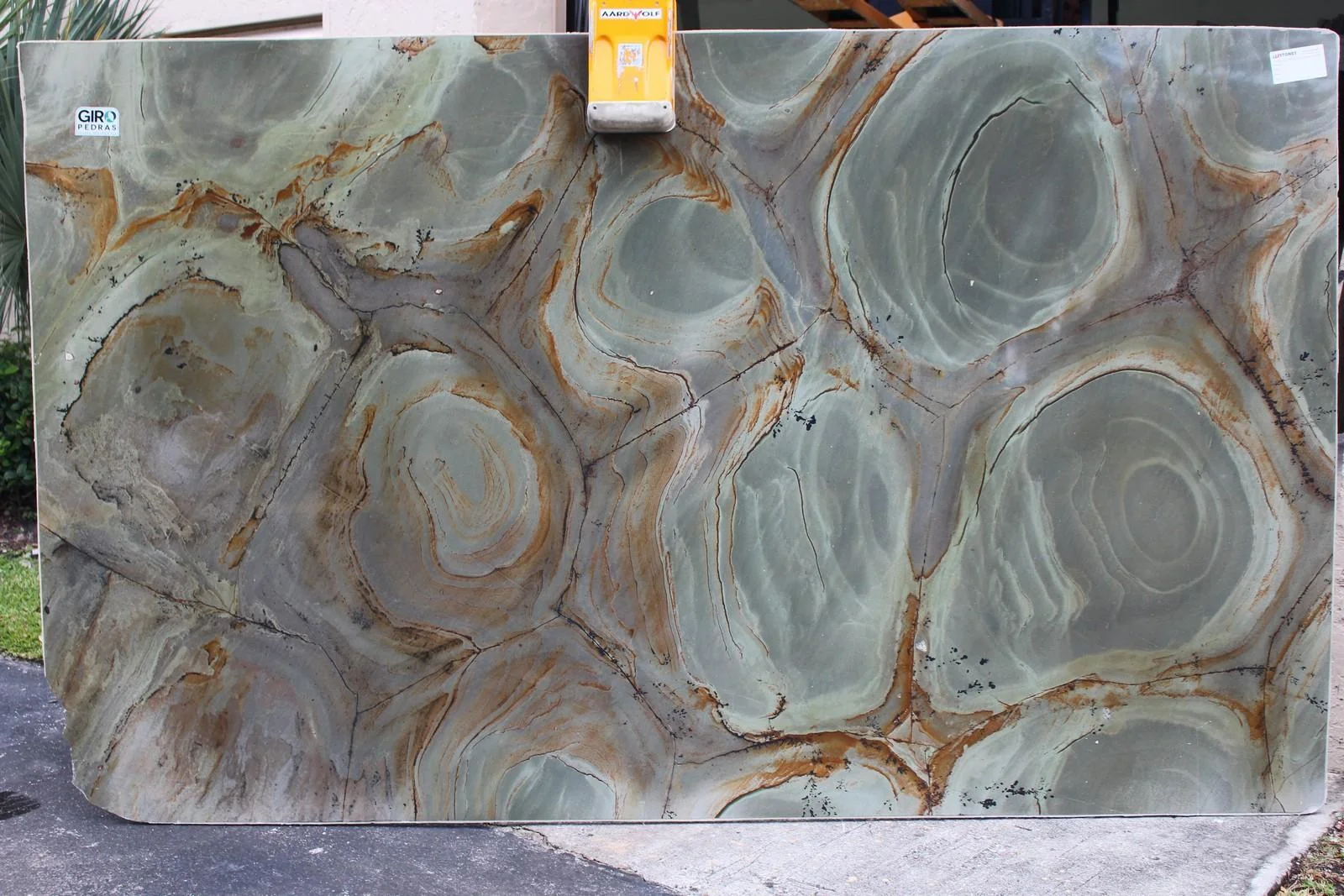
Wasabi Quartzite is a natural quartzite slab from ST Stones. Quartzite is metamorphosed sandstone - typically harder than granite, with the marble-like veining many homeowners want at the durability of natural stone. Every quartzite slab is unique. We always recommend visiting the yard with us to select your specific slab(s) before fabrication so the figure and tone match your kitchen.
About Wasabi Quartzite
Wasabi Quartzite - what to know
Character
How Wasabi Quartzite reads in a kitchen
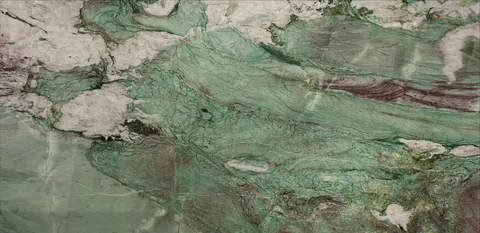
Wasabi Quartzite is a green-toned quartzite. Pair with cream cabinetry, brass hardware, and warm-wood floors for a botanical-leaning South Florida palette.
South Florida fit
Why quartzite works in our climate
Quartzite is one of the strongest natural countertop options for Palm Beach County. It's a metamorphic stone (sandstone transformed under heat and pressure), harder than granite, scratch-resistant, and heat-resistant. Wasabi Quartzite is slightly porous like all quartzites and should be sealed at installation and resealed every 1-2 years to keep the surface stain-resistant against oil, wine, and citrus.
Pairings
Cabinetry, hardware, and design context
Wasabi Quartzite pairs with most South Florida cabinet palettes. Bring your cabinet and floor samples to the in-home consultation - we'll lay them next to a Wasabi Quartzite sample under your actual kitchen lighting before any final commitment. Quartzite reads dramatically different under cool LED kitchen light vs warm incandescent vs south-facing daylight, so in-person review is essential.
Specs at a Glance
Wasabi Quartzite - quick reference
| Material | Quartzite |
|---|---|
| Color family | Green |
| Series / line | Standard |
| Thickness | 2CM or 3CM available |
| Slab format | Standard slab format (confirmed at consultation) |
| Finish | Polished |
| Care | Daily wipe with stone-safe cleaner; seal at installation + every 1-2 years (slightly porous) |
| Best applications | Accent islands, powder-room vanities, statement bar tops |
| Service area | All Palm Beach County, FL - free in-home consultation |
Cabinet Pairings
Best paired with Wasabi Quartzite
Our top cabinet recommendations for a Green quartzite countertop, hand-picked from the Wasabi install palette we use most often in Palm Beach County.
Related slabs
Other Standard and Green options
Compare Materials
Considering something other than Wasabi Quartzite?
Explore More
Where we install Wasabi Quartzite - and what to read next
Closest Palm Beach County cities
Get In Touch
Quote on Wasabi Quartzite
Let's build something beautiful together.
Interested in Wasabi Quartzite? Request a free in-home consultation and we'll price your kitchen or bathroom with this slab, itemized quote, 3D rendering, no obligation.
Sat: By appointment
Frequently Asked Questions
Common questions about Wasabi Quartzite
Does Wasabi Quartzite need to be sealed?
Yes. Quartzite is a natural metamorphic stone and slightly porous - it should be sealed at installation and resealed every 1-2 years. Sealing keeps the surface stain-resistant against oils, wines, and citrus. We walk through care during the consultation.
Is Wasabi Quartzite harder than granite?
Yes - quartzite is typically harder than granite on the Mohs scale (around 7-7.5 vs granite's 6-6.5). It's one of the most scratch-resistant natural stones for a kitchen countertop, and well suited to heavy daily use.
How is quartzite different from quartz?
Quartzite is a natural stone (mined and cut from the earth, like granite and marble). Quartz is an engineered product (about 90% natural quartz aggregate bound with resin). Quartzite has the marble-like aesthetic of a natural stone but is harder than marble; quartz is non-porous and never needs sealing but doesn't have the unique character of true stone. Both are excellent kitchen countertops - the choice comes down to whether you want a natural-stone read or engineered consistency.
Countertop care, fabrication, and certification standards referenced on this page follow guidelines from the Natural Stone Institute, the MIA, Marble Institute of America, and the NKBA, National Kitchen + Bath Association.