Bathroom Remodel in West Palm Beach: Cost and Tips
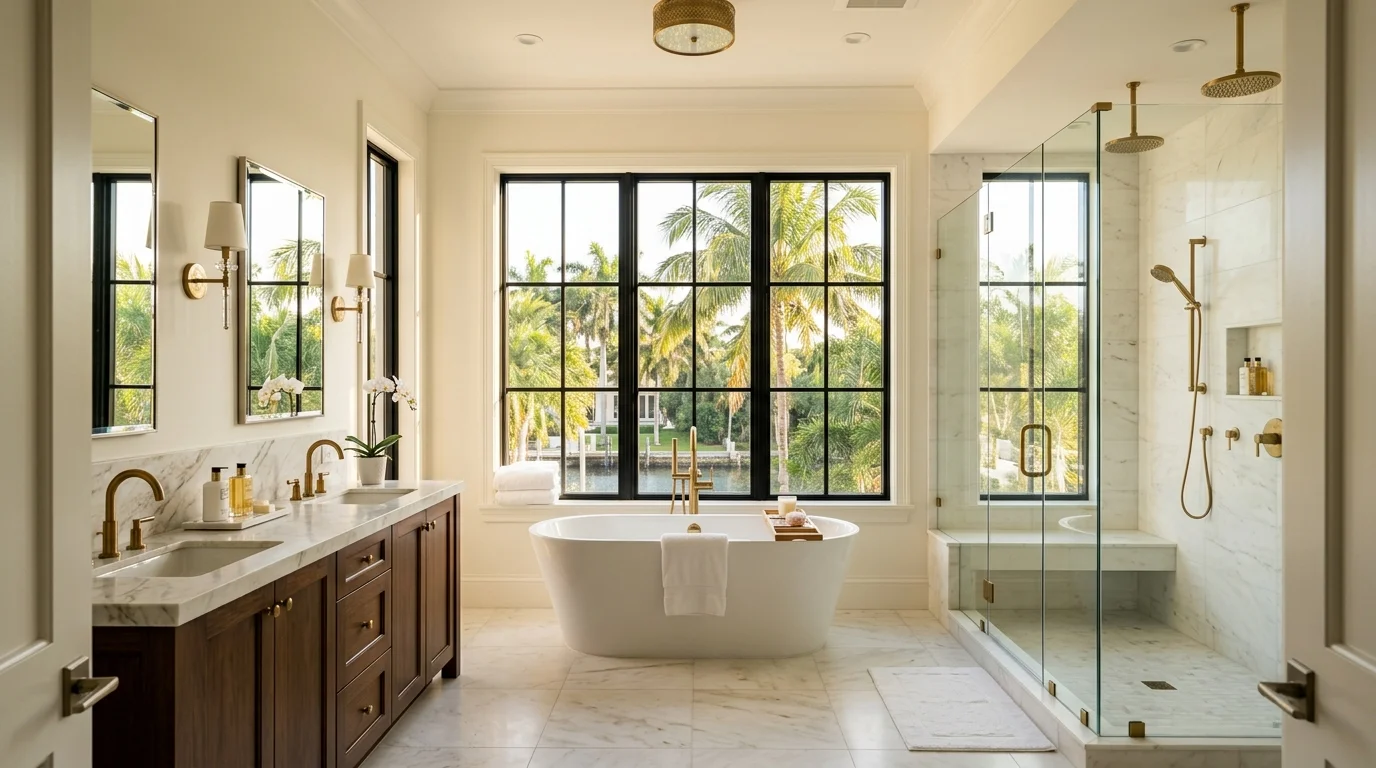
Planning a bathroom remodel in West Palm Beach means navigating everything from coastal humidity concerns to HOA design guidelines. We've completed hundreds of bathroom projects across Palm Beach County, from luxury spa-like retreats in Wellington to efficient condo updates in downtown West Palm Beach. Understanding local costs, popular styles, and climate considerations will help you make informed decisions for your project.
West Palm Beach bathroom remodels typically range from $8,000 for a basic refresh to $35,000+ for a luxury transformation. The wide range reflects differences in scope, materials, and finishes. Most homeowners invest $15,000-$25,000 for a complete renovation that includes new vanity, countertops, tile work, and updated fixtures.
What Drives Bathroom Remodel Costs
Size matters, but scope drives your budget. A powder room refresh with new vanity and tile runs $8,000-$12,000. A master bathroom with custom cabinetry, quartz countertops, and premium tile work jumps to $20,000-$35,000. Adding a walk-in shower or freestanding tub increases costs significantly.
Material quality creates the biggest cost swings. Basic ceramic tile and laminate counters keep budgets tight. Natural stone tile and quartz surfaces push costs higher but deliver better durability in our humid climate. We recommend investing in water-resistant materials that handle South Florida's year-round moisture.
Labor represents 40-50% of project costs. Tile installation runs $6-$12 per square foot depending on complexity. Custom vanity installation adds $500-$1,500. Proper waterproofing is non-negotiable in our climate and adds $800-$1,200 to the project.
Layout changes multiply expenses quickly. Moving plumbing lines for toilet or shower relocation requires a general contractor and often permits. These changes can add $3,000-$8,000 to the project. We focus on maximizing impact within existing layouts whenever possible.
Popular Bathroom Styles in West Palm Beach
Coastal themes dominate West Palm Beach bathrooms. Light colors, natural textures, and spa-like finishes create relaxing retreats that complement our waterfront lifestyle. We see consistent demand for white and gray color schemes with blue accent tiles.
Modern farmhouse styles work well in suburban neighborhoods like Wellington and Jupiter. Shaker-style vanities, subway tile, and black fixtures create timeless appeal. These designs balance contemporary function with classic charm.
Spa-like designs remain popular in luxury communities throughout Palm Beach County. Think large format tiles, floating vanities, and rainfall showers. Natural stone accents and warm wood tones add organic texture.
Contemporary styles suit downtown condos and modern homes. Clean lines, minimal hardware, and neutral colors create sophisticated spaces. We often specify wall-mounted vanities to maximize floor space in smaller bathrooms.
Material Selections That Matter
Vanity selection drives both style and budget. Stock vanities from big-box stores start around $300 but limit size options. Semi-custom vanities ($800-$2,000) offer better sizing flexibility. Custom cabinetry ($1,500-$4,000) provides exact fit and premium materials but requires longer lead times.
Countertop choice affects durability and maintenance. Quartz surfaces ($60-$120 per square foot installed) resist stains and require minimal upkeep. Natural stone like marble or granite ($50-$100 per square foot) offers unique patterns but needs regular sealing in our humid climate.
Floor tile selection balances style and safety. Porcelain tile offers excellent water resistance and slip ratings. Large format tiles (24"x24" or larger) create modern appeal with fewer grout lines to maintain. We recommend textured surfaces for wet areas.
Shower tile decisions impact both budget and maintenance. Subway tile remains popular and affordable ($3-$8 per square foot). Natural stone creates luxury appeal but requires professional sealing. Glass tile reflects light beautifully but shows water spots more readily.
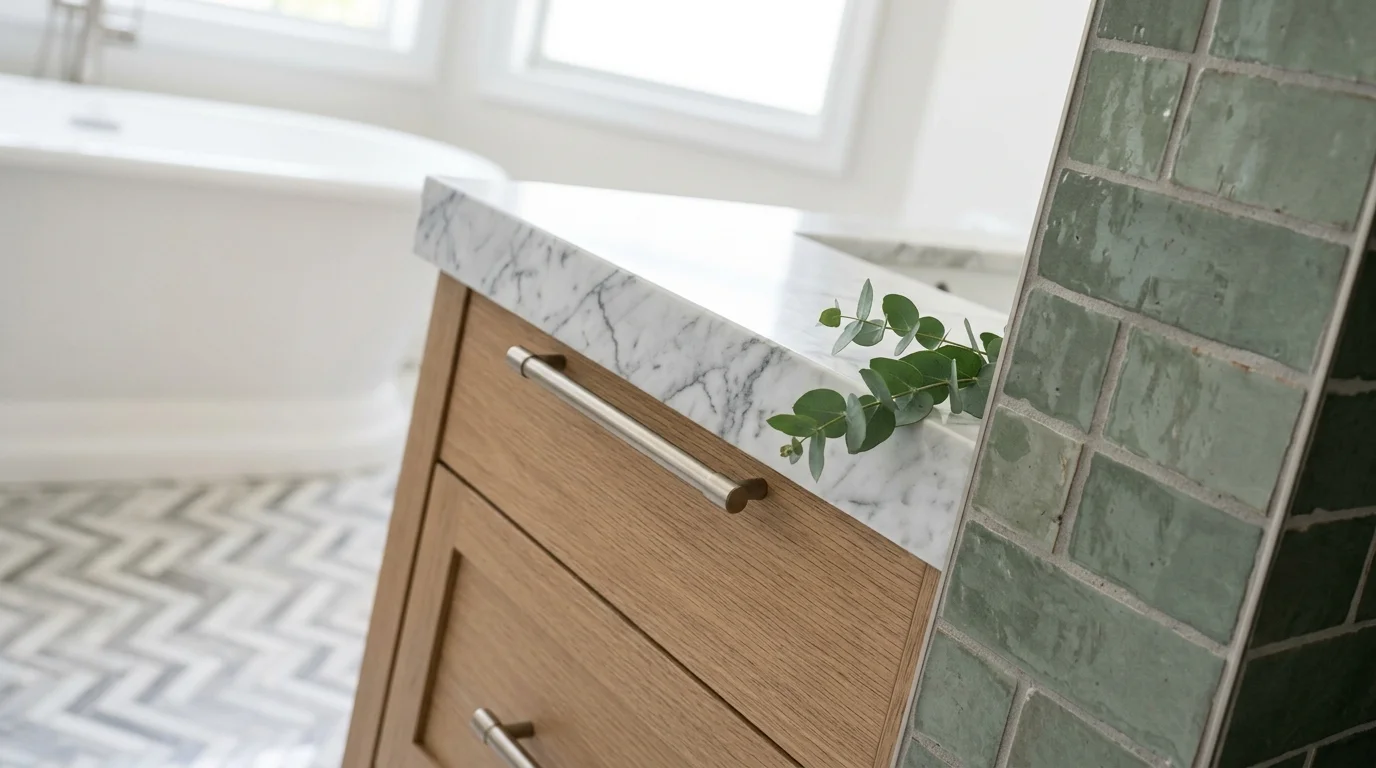
Fixture quality varies dramatically. Basic faucets start around $150 but may not withstand daily use. Mid-range options ($300-$600) offer better finishes and warranties. Luxury fixtures ($800-$2,000+) provide superior materials and unique designs that become focal points.
Cost Guide
These ranges reflect actual West Palm Beach market pricing for complete bathroom renovations. Costs vary based on size, materials, and complexity. Most projects include new vanity, countertops, tile work, and fixture updates.
Additional costs to consider include permits when moving plumbing ($150-$400), electrical updates for new lighting or ventilation ($500-$1,500), and waterproofing for shower areas ($800-$1,200). Hidden costs often surprise homeowners, so budget 10-15% contingency for unexpected issues.
South Florida Considerations
Humidity control becomes critical in West Palm Beach bathrooms. Proper ventilation prevents mold and protects finishes. We specify exhaust fans sized for room volume and install them on timer switches to ensure adequate air circulation.
Material selection must account for year-round moisture exposure. Solid wood vanities can warp or crack. We recommend engineered wood or MDF with quality laminate faces. These materials resist humidity better while offering wood appearance.
Hurricane preparedness influences design decisions. Impact-resistant windows may be required for bathroom replacements depending on your home's vintage and location. Coastal areas often have stricter requirements than inland neighborhoods.
HOA guidelines affect material and color choices in many Palm Beach County communities. Gated neighborhoods often restrict exterior changes but allow interior freedom. Condo associations may require specific flooring types to minimize noise transfer between units.
Timing projects around weather patterns makes sense. Summer rainy season can delay delivery schedules and complicate construction access. We recommend starting bathroom projects in fall or winter when weather patterns are more predictable.
Local building codes in Palm Beach County may require permits when projects involve plumbing relocation or electrical panel changes. Simple vanity and tile replacements typically don't require permits, but your general contractor should verify scope requirements.
Common renovation mistakes include inadequate waterproofing, poor ventilation planning, and rushing material selections. Take time to visit showrooms and see materials in person. Colors and textures appear different under various lighting conditions.
What to Expect on Timeline
A straightforward West Palm Beach bathroom remodel runs about three to five weeks of active work once demolition starts, though the full project from first meeting to final walkthrough usually spans two to three months. Most of that front-end time goes to design decisions, ordering materials, and permitting, not construction. Custom vanities and special-order tile carry the longest lead times, so we lock those selections in early to keep them off the critical path.
Permitting is the variable that catches people off guard. Anything involving plumbing relocation, electrical changes, or structural work needs a permit through the city, and inspection scheduling can add days between phases. A cosmetic refresh that keeps fixtures in place moves faster because it sidesteps much of that process. We handle the permit paperwork and coordinate inspections so the project keeps moving rather than stalling between trades.
The biggest timeline risk is changing your mind mid-project. Swapping a tile choice after the order is placed, or deciding to move the shower once the walls are open, resets schedules and ripples through every trade that follows. We spend real time on the design up front precisely to avoid that, walking through the full plan and the material selections before a single tile comes off the wall. A decision made on paper costs nothing; the same decision made mid-demolition costs days.