Bathroom Tile Patterns That Improve South Florida Homes
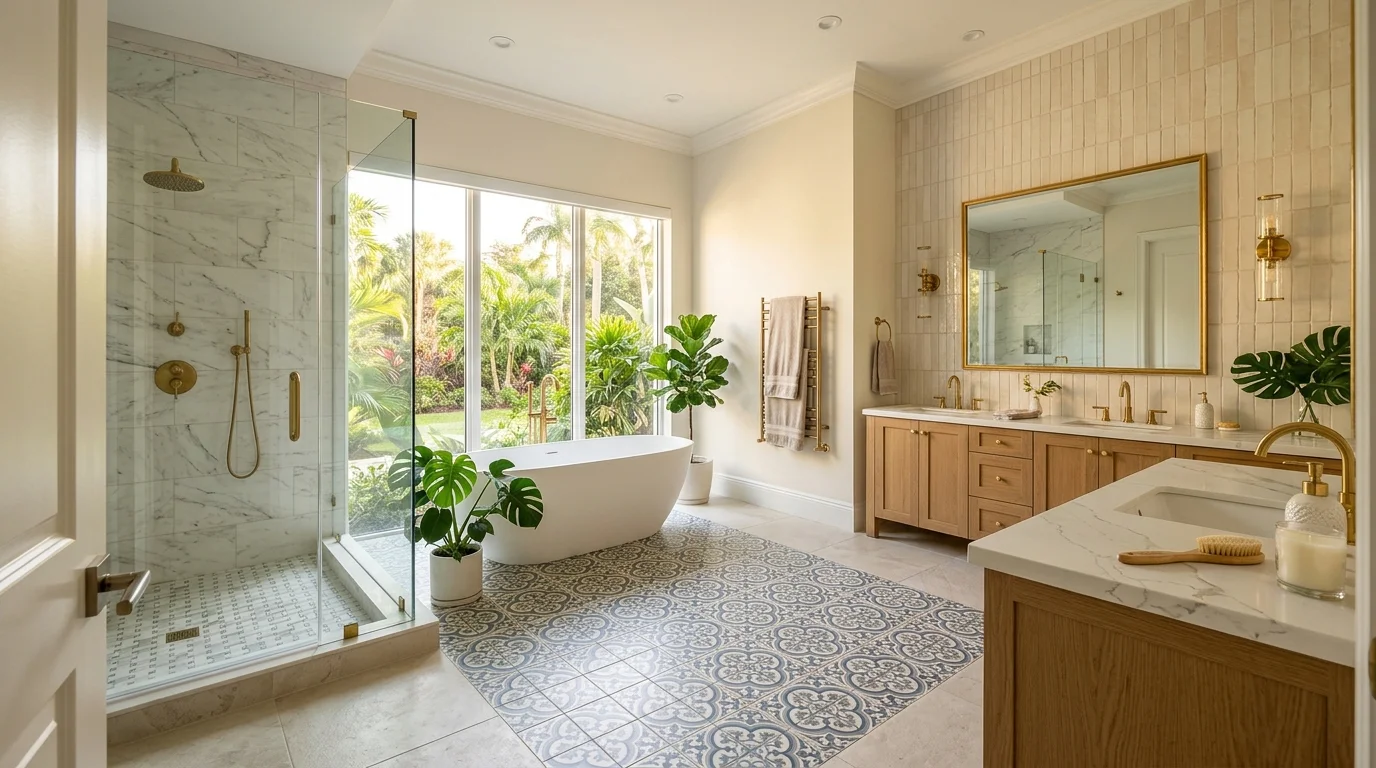
The right bathroom tile patterns can transform a basic South Florida bathroom into a sophisticated retreat that rivals any luxury resort. From the coastal elegance of Boca Raton homes to the modern sophistication of Wellington estates, we see homeowners across Palm Beach County using tile patterns to create spaces that feel both timeless and fresh. Pattern selection isn't just about aesthetics, it's about creating visual interest, defining spaces, and making rooms feel larger or more intimate depending on your goals.
Our team at South Florida Kitchen & Bath Design has installed hundreds of tile patterns throughout Palm Beach County, and we've learned what works in our unique climate and architectural styles. The key is understanding how different patterns interact with natural light, room proportions, and the coastal lifestyle that defines South Florida living.
Classic Patterns That Never Go Out of Style
Some bathroom tile patterns have endured for decades because they work. Period. These layouts complement both traditional and contemporary bathroom designs, making them safe choices for homeowners who want sophistication without trends that might feel dated in five years.
Herringbone remains our most requested pattern for good reason. This V-shaped layout creates movement and texture while maintaining elegance. We typically install herringbone with 3x12 or 4x12 subway tiles, though larger format tiles work beautifully for floor applications. The pattern works particularly well in walk-in shower designs where the angular lines complement modern fixtures.
Basketweave offers a more subtle approach to pattern. By alternating rectangular tiles in perpendicular directions, you create visual interest without overwhelming smaller bathrooms. This pattern works exceptionally well in guest bathrooms or powder rooms where you want character without complexity.
Chevron takes herringbone's concept and creates unbroken zigzag lines. The pattern feels more contemporary than herringbone and works beautifully as an accent wall behind a vanity or in a shower niche. We recommend using chevron sparingly, it's powerful enough that a little goes a long way.
Brick pattern, also called running bond, offers the most traditional approach. Rectangular tiles are laid in offset rows, mimicking classic brickwork. This pattern is forgiving during installation and works with virtually any tile size or material. It's our go-to recommendation for homeowners who want pattern without making a bold statement.
Modern Geometric Layouts
Contemporary bathroom design has embraced geometric patterns that create striking focal points. These layouts work particularly well in larger bathrooms where you have space to let the pattern develop and create impact.
Hexagon tiles have experienced a renaissance, and for good reason. Large-format hexagons create a honeycomb effect that feels both modern and organic. We often use 8-inch or 10-inch hexagons for floors, sometimes mixing different tones to create subtle variations. The six-sided shape naturally creates interesting grout line patterns that add visual texture.
Diamond patterns turn square tiles 45 degrees to create a more dynamic look. This orientation makes rooms feel larger because the eye follows the diagonal lines rather than the room's boundaries. Diamond patterns work particularly well with marble or natural stone tiles where the veining adds to the geometric interest.
Linear stack patterns eliminate the offset of traditional brick layouts, creating clean vertical or horizontal lines. This approach feels very contemporary and works beautifully with large-format tiles. Vertical stacking makes ceilings appear higher, perfect for bathrooms with standard 9-foot ceilings common in Palm Beach County homes.
Octagon and dot patterns combine larger octagonal tiles with smaller square dots at the intersections. This classic Victorian pattern has found new life in contemporary bathrooms, particularly when executed in modern materials like porcelain or engineered stone.
Mixing Sizes and Shapes
The most sophisticated bathroom designs often combine multiple tile sizes or shapes within the same space. This approach requires more planning, but the results can be extraordinary when executed properly.
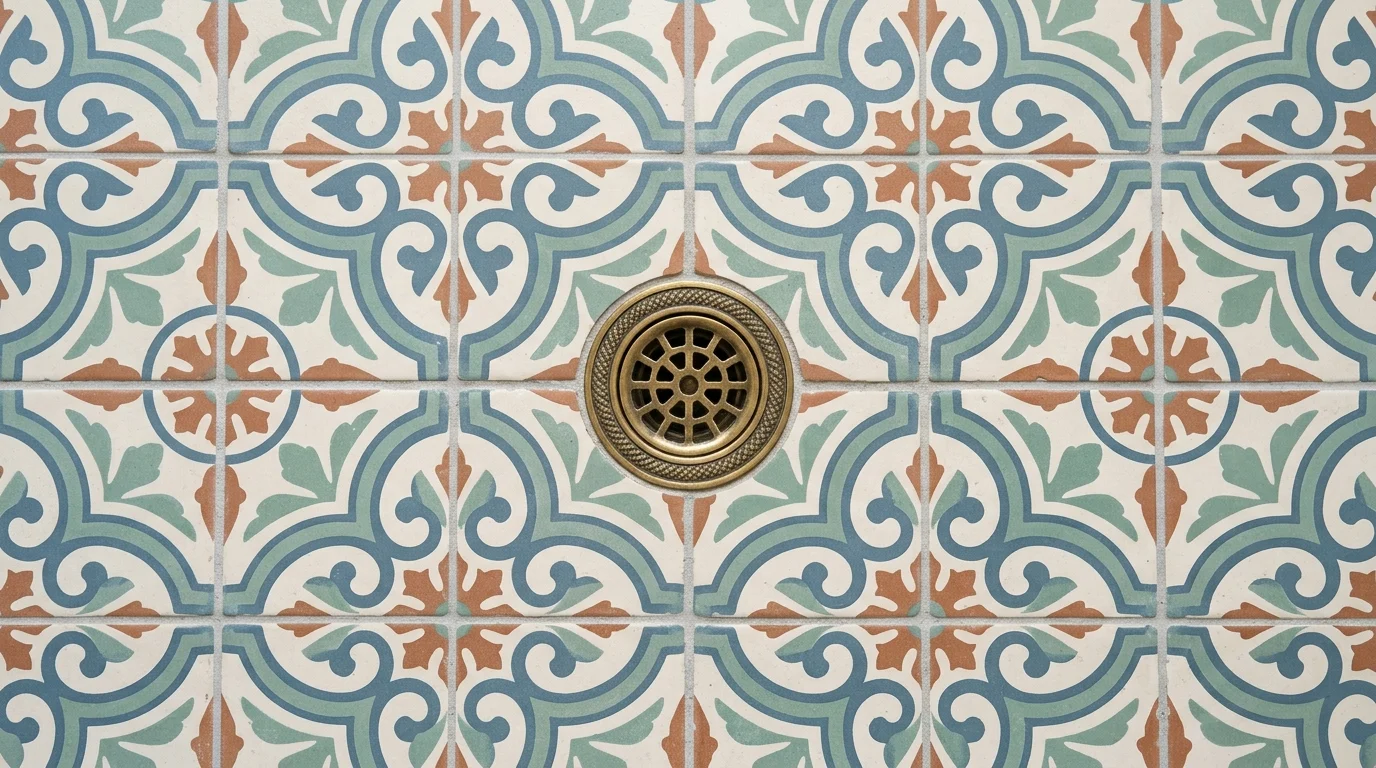
Large and small tile combinations create hierarchy and define different areas within the bathroom. We might use large-format tiles (12x24 or 24x48) as the primary surface and introduce smaller mosaic tiles as accent bands or in shower niches. This approach creates visual breaks without requiring different materials or colors.
Mixed geometric shapes offer another sophisticated approach. Combining rectangular subway tiles with hexagon accents, for example, creates interest while maintaining material consistency. The key is using shapes that complement rather than compete with each other.
Border and frame treatments use contrasting tile sizes to create definition around mirrors, windows, or architectural features. A thin mosaic border around a larger tile field, for instance, adds refinement without overwhelming the space.
Random or organic patterns work well with natural materials like travertine or slate. These layouts mimic the irregular patterns found in nature, creating spaces that feel more relaxed and spa-like. This approach works particularly well in spa-inspired bathroom designs popular throughout South Florida.
Pattern Placement Strategies
Where you place patterns within your bathroom is just as important as which patterns you choose. Strategic placement can solve design challenges, highlight architectural features, and create the illusion of more space.
Accent walls deserve special consideration. A patterned accent wall behind the vanity creates a focal point without overwhelming the entire room. We often use herringbone or chevron patterns for vanity walls, paired with simpler layouts elsewhere. The key is choosing one wall that naturally draws attention.
Shower areas offer opportunities for more dramatic patterns since they're defined spaces within the larger bathroom. A floor-to-ceiling herringbone pattern in the shower creates a luxurious backdrop for fixtures while maintaining visual separation from the rest of the room.
Floor patterns can dramatically affect how a room feels. Running patterns perpendicular to the room's longest dimension makes narrow bathrooms feel wider. Diagonal patterns make small spaces feel larger by drawing the eye along the longest possible sight lines.
Ceiling applications are often overlooked but can create stunning effects. Continuing a wall pattern onto the ceiling creates continuity and makes rooms feel more spacious. This approach works particularly well in powder rooms where you want maximum impact in minimal space.
Niche and alcove treatments provide opportunities to introduce pattern in smaller doses. Shower niche designs often benefit from contrasting patterns that make storage areas feel intentional rather than afterthoughts.
Cost Guide
Tile pattern complexity directly affects both material and labor costs. More intricate patterns require additional cutting, precise measurements, and longer installation times. Our Palm Beach County pricing reflects both tile costs and the skilled labor required for pattern installation.
Pattern waste factors significantly into material costs. Simple brick patterns might generate 5-10% waste, while complex geometric patterns can require 15-20% additional material. Factor this into your budget planning, especially for premium materials.
Labor complexity varies dramatically between patterns. A skilled installer might complete 150 square feet of brick pattern in a day, but only 75 square feet of intricate herringbone. This time difference directly affects your project cost and timeline.
South Florida Considerations
South Florida's climate and lifestyle create unique considerations for bathroom tile patterns. High humidity, intense sunlight, and coastal living influence both material selection and pattern choices.
Humidity resistance becomes more important with intricate patterns that have more grout lines. Each grout line represents a potential moisture entry point, so patterns with extensive grout networks require premium sealers and more maintenance. We recommend epoxy grouts for high-humidity applications, particularly in shower areas.
Natural light abundance in South Florida homes affects how patterns appear throughout the day. East-facing bathrooms in Delray Beach or Boca Raton receive intense morning light that can make busy patterns feel overwhelming. We often recommend simpler patterns for heavily lit spaces and reserve complex designs for bathrooms with more controlled lighting.
Salt air exposure near coastal areas affects material selection for patterned installations. Some natural stones become more porous when exposed to salt air, making them unsuitable for intricate patterns that are difficult to seal thoroughly. Porcelain and ceramic tiles typically perform better in coastal environments.
Hurricane considerations influence pattern choices in some applications. While tile installations themselves aren't structural, patterns that create strong visual lines can help maintain perceived normalcy if minor settling or movement occurs. Simple, forgiving patterns often age better than precise geometric layouts in areas prone to minor structural movement.
Air conditioning systems in South Florida homes create temperature fluctuations that affect tile expansion and contraction. Patterns with many grout lines distribute this movement better than large-format tiles with minimal grout lines. This makes certain patterns more suitable for rooms with significant temperature variations.
Our crew has seen how different patterns perform in Palm Beach County's climate over time. Patterns with wider grout lines (like traditional brick patterns with 1/8" spacing) tend to show less movement-related cracking than patterns with tight grout lines. This practical consideration often influences our recommendations for long-term performance.