Grout Color Guide: Matching vs Contrasting and How to Keep It Clean
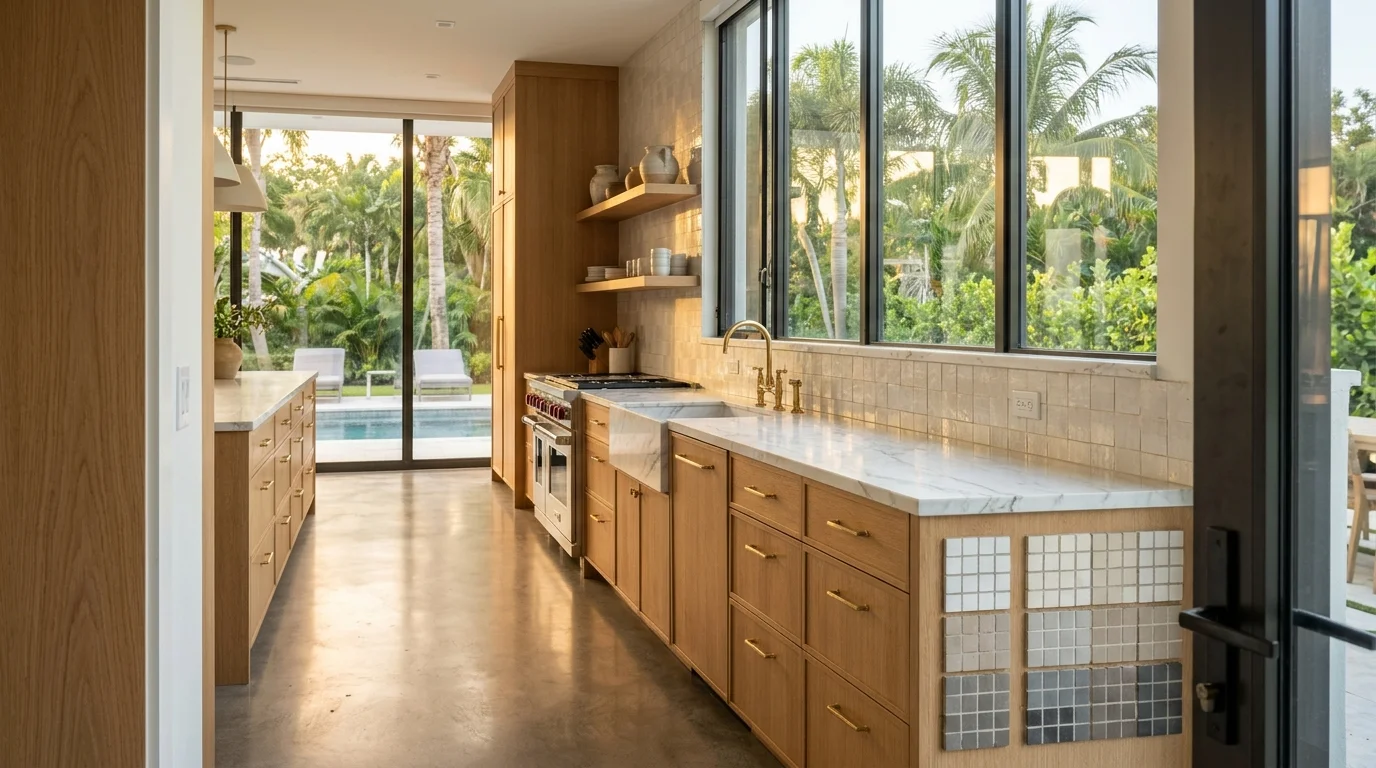
Grout color is one of the most underestimated decisions in any tile project. Homeowners spend weeks agonizing over tile selection, then pick a grout color in thirty seconds at the showroom. That is a mistake. The right grout color can make your tile look intentional, polished, and easy to maintain for years. The wrong choice can make a beautiful tile look cheap, dated, or impossible to keep clean. This grout color guide covers everything you need to know before committing, whether you are retiling a kitchen backsplash in Boca Raton, overhauling a master bath in Wellington, or refreshing a shower in Jupiter.
Why Grout Color Actually Matters
Grout lines are the grid that frames every single tile in your room. They can account for anywhere from 5 to 20 percent of the visible surface area depending on your tile size and joint width. With smaller mosaic tiles, that percentage climbs even higher. So grout is not a background detail. It is a design element.
The color you choose affects three things: pattern emphasis, perceived tile size, and long-term maintenance burden. Light grout with light tile blends everything together and makes a space feel calm and continuous. Dark grout with light tile creates a grid pattern that draws the eye and adds graphic punch. Neither is wrong. But each sends a completely different visual message, and you need to decide which message fits your project before you buy a single bag.
Grout type also matters. Laticrete's grout technical guide breaks down the differences between sanded, unsanded, and epoxy grouts. For most residential tile work in South Florida, we lean toward epoxy grout in wet areas like showers and pool baths. It resists mold, staining, and the humidity that cracks traditional cement-based grout over time. It costs more upfront, roughly $3-$6 per square foot installed versus $1-$3 for standard grout, but it lasts significantly longer in our climate.
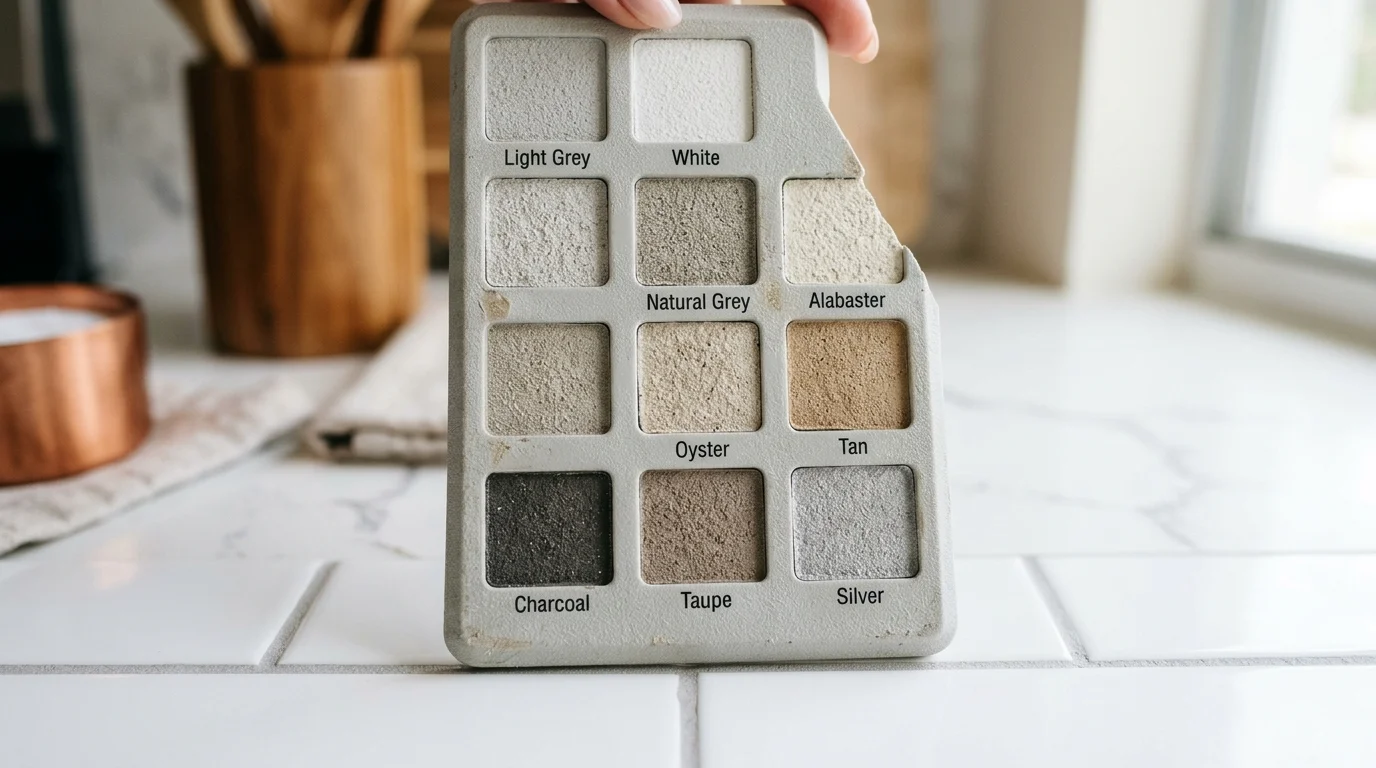
Standard sanded grout is fine for dry areas like kitchen floors and backsplashes, as long as you seal it properly and maintain that seal every one to two years. We tell every homeowner the same thing: the grout color you see in the store is not the color you will see installed. Grout darkens when wet and lightens as it cures. Always request a physical sample installed on your actual tile before making a final call.
Matching vs Contrasting Grout
This is the central decision in any grout color guide, and our team has a clear opinion on it: matching grout is almost always the smarter long-term choice for floors and shower walls, while contrasting grout makes the most sense on backsplashes and feature walls where you want graphic impact.
Here is why. Matching grout, meaning grout that is within two or three shades of your tile color, reduces the visual busyness of the room and makes the space feel larger. It also hides the inevitable variation that comes with grout discoloration over time. White subway tile with bright white grout looks clean and contemporary. It also hides the slight yellowing that happens to light grout in kitchens after a year of cooking. That same white subway tile with charcoal grout looks razor-sharp on day one, but every bit of soap scum, mineral deposit, and mildew will show up against that dark background.
Contrasting grout, on the other hand, is a deliberate design statement. Dark grout on a white tile backsplash creates a grid effect that works beautifully in modern kitchens. It emphasizes the tile pattern, which is exactly what you want on a feature surface like a backsplash. If you are installing subway tile or a stacked pattern in your shower, contrasting grout makes the layout geometry pop. The tradeoff is maintenance. Lighter grout on a dark tile will show every speck of dust and dried water. Darker grout on a light tile will show soap scum and mineral buildup.
Our recommendation: for shower floors, pick grout that is one shade darker than your tile. It hides water marks and foot traffic wear without looking dirty. For shower walls, go matching or slightly darker. For kitchen backsplashes, feel free to contrast if you want that graphic grid look. For large-format floor tiles, go matching or tone-on-tone. The wider the grout joint, the more the grout color dominates the floor, so matching protects you from regret.
One more thing on contrast: mid-tone grays are the safest middle ground. They are dark enough to hide dirt better than bright white, light enough that they do not show mineral deposits as badly as charcoal, and neutral enough to complement almost any tile color. If a homeowner is unsure, we default to a warm mid-gray or greige tone. It works in almost every setting we see across Palm Beach County.
Room-by-Room Recommendations
Different rooms have different demands, and your grout color choice should reflect that.
Kitchen backsplashes: This is where you can have the most fun. The backsplash is a small surface with low maintenance contact. You are not standing in it barefoot. You are not scrubbing it daily. A contrasting grout on a white or light tile backsplash adds personality without creating a cleaning nightmare. Our team often recommends a medium gray or warm taupe grout against white or cream subway tiles. It gives the kitchen definition without the starkness of pure black grout. If you are going with a bolder tile, like a zellige tile in a terracotta or sage tone, match the grout closely so the tile texture reads without the grid competing.
Kitchen floors: High traffic, dropped food, spills, pet paws. Kitchen floors take abuse. We recommend a mid-tone grout that approximates the base color of your tile. Avoid bright white at all costs on kitchen floors. It will look gray within six months regardless of how often you clean it. A warm beige, medium gray, or greige tone is forgiving and ages gracefully. If you have large format tiles, keep the grout joint narrow (1/16 to 1/8 inch) and match the tone. The goal is for the floor to read as a continuous surface.
Shower walls: Matching or tone-on-tone. Showers get daily exposure to water, shampoo, body wash, and in South Florida, hard water mineral deposits. Bright white grout in a shower will stain. Charcoal grout in a shower will show white mineral scaling. Neither is a good look two years in. A light gray, warm white, or greige that matches your tile within a few shades gives you the best of both worlds. It looks intentional and clean without demanding daily scrubbing.
Shower floors: Go one to two shades darker than your wall tile. Shower floors collect more soap residue and body oils than any other tiled surface. A slightly darker grout forgives that reality. If you are using a small mosaic tile for the shower floor, which we often see in Delray Beach and Boca Raton renovations, a mid-gray or dark gray grout will hide wear and water marks while emphasizing the texture of the small tiles.
Master bath floors: Similar logic to kitchen floors. Mid-tone, forgiving, matched closely to the tile base color. If you are installing a large-format porcelain in a 24x24 or 48x24 format, the goal is a barely-there grout line. Rectified tile with a 1/16-inch joint and tone-matched grout makes the floor look like continuous stone. That is a popular look in Wellington and Palm Beach Gardens right now, and it holds up well over time.
Powder rooms and feature walls: This is where you can experiment. Low traffic, low moisture, high visual impact. A bold contrasting grout on a graphic tile, or a tinted grout that picks up an accent color in the room, can be a conversation piece. Just keep in mind that powder rooms sometimes get repainted and styled differently over the years. A very specific grout color choice can feel dated faster than a neutral one.
If your project involves tile throughout a full bathroom renovation, you might also want to look at our guide on porcelain vs ceramic tile for South Florida bathrooms before finalizing your tile and grout combination.
Cost Guide
Grout itself is an inexpensive material. The cost variable is the type of grout and the labor to apply it. Here is a breakdown of what homeowners in Palm Beach County typically pay for grout work as part of a tile installation project.
Keep in mind that grout work is almost never a standalone line item in a full tile installation. When our team quotes a shower tile or backsplash project, grout material and labor is built into the tile installation price. These per-square-foot numbers matter most when you are comparing bids or doing a targeted regrout on an existing installation.
If you are budgeting for a full bathroom remodel in Palm Beach County, our Palm Beach County bathroom remodel cost guide breaks down tile, labor, and finish costs across different project scopes.
South Florida Considerations
South Florida is not a typical market when it comes to tile and grout. The humidity, heat, and water quality in Palm Beach County create conditions that chew through improperly specified grout faster than anywhere else in the country. Here is what our team accounts for on every project.
Humidity and mold resistance: South Florida's year-round humidity means grout in bathrooms, laundry rooms, and even covered outdoor spaces is under constant moisture pressure. Standard cement grout will absorb moisture, grow mold in the joints, and discolor within months if it is not sealed and maintained. We recommend epoxy grout in all wet areas without exception. It is non-porous, does not require sealing, and resists the mold growth that is a constant battle in this climate. For dry areas like kitchen backsplashes, a quality sanded grout sealed with a penetrating sealer on installation day is acceptable.
Hard water and mineral deposits: Much of Palm Beach County has hard water. That means calcium and magnesium deposits build up on grout surfaces, especially in showers. Light-colored grout near showerheads and faucets will show white scaling. Dark grout near water sources will show white deposits even more dramatically against the dark background. Mid-tone grouts in the gray and beige range handle hard water scaling better visually than extreme light or dark choices. A good whole-house water softener helps too, but that is outside our scope.
Color stability in UV-exposed areas: South Florida gets intense direct sunlight. If you have a tile installation near a floor-to-ceiling window, a sunlit entryway, or an outdoor kitchen, grout color can fade unevenly over time with cement-based products. Epoxy grout and some premium pre-mixed grouts have better UV stability. For outdoor tile work in particular, check the manufacturer's UV rating before selecting a grout color. Our outdoor kitchen projects in Jupiter and Wellington use exterior-rated products for exactly this reason.
HOA and ARB considerations: Many communities across Boca Raton, Delray Beach, and Wellington have architectural review requirements. Exterior-visible tile and grout in areas like entryways or outdoor spaces may need to match community standards. If you are in a gated or HOA community, verify before you commit to a dramatic contrasting grout on any exterior-facing surface. Your general contractor will typically handle the submission of drawings and samples for review.
Matching existing grout: This comes up constantly in Palm Beach County, especially in older homes where tile was installed in phases. If you are adding a bathroom addition or extending an existing tile floor, matching the original grout color exactly is nearly impossible without a physical chip comparison. Grout colors vary by manufacturer, age, and batch. We always recommend bringing a physical sample of the existing grout or a close-up photo to the design consultation so we can get as close as possible. Sometimes the best solution is to regrout the entire floor or wall in a new unified color rather than chasing an impossible match.
For homeowners tackling a full bathroom overhaul with new tile, it is worth pairing your grout decisions with a broader look at waterproofing. Our bathroom waterproofing guide for Florida homes covers what goes behind the tile before the grout ever touches it. Getting that right matters as much as any color choice.
One more consideration specific to South Florida: coastal salt air. Homes within a mile or two of the ocean in areas like Juno Beach or Jupiter Inlet see accelerated deterioration of grout joints in exterior and semi-exterior spaces. Standard cement grout in these environments breaks down faster. Epoxy grout or a premium polymer-modified grout is the right call. The upfront cost difference is small compared to the cost of retiling a shower or outdoor space in five years.
If you are still in the early stages of planning a tile project and want to understand your backsplash options before locking in a grout color, our guide on kitchen backsplash ideas for Palm Beach County homes is a good starting point. And if your project involves a full shower renovation, our guide to the best tile for shower walls in Florida's humid climate covers material and format decisions that directly influence your grout choices.
The bottom line on grout color: treat it like a material decision, not an afterthought. Get physical samples. Test them against your tile in the actual lighting conditions of the room. Consider how the surface will be used and cleaned. And if you are unsure, default to a mid-tone neutral. It is not the most exciting advice, but it is the choice our team has seen hold up best across hundreds of projects in Palm Beach County, Boca Raton, Delray Beach, Wellington, and Jupiter.