L-Shaped Kitchen Layout Ideas for South Florida Homes
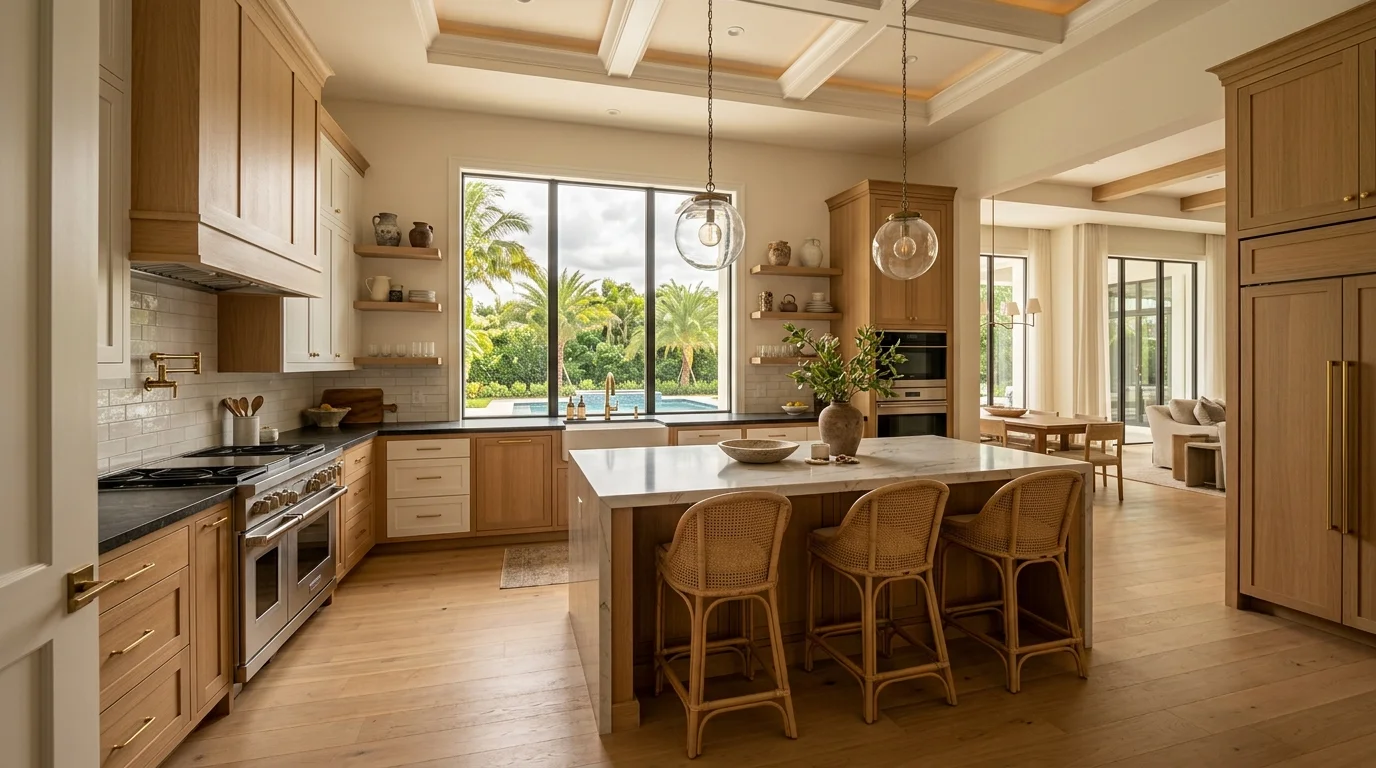
The L-shaped kitchen layout remains one of the most practical and popular designs for South Florida homes, and for good reason. These l shaped kitchen layout ideas work particularly well in open floor plans common throughout Palm Beach County, from Boca Raton condos to Wellington single-family homes. The configuration creates a natural work triangle while opening up sightlines to living areas, perfect for Florida's indoor-outdoor lifestyle.
We see L-shaped layouts in about 60% of our kitchen projects across Delray Beach and Jupiter. The design maximizes counter space, provides excellent storage options, and adapts well to various room sizes. Most importantly for South Florida homeowners, it creates opportunities for clean entertaining flow.
Why L-Shaped Layouts Work in Florida Homes
L-shaped kitchens excel in Florida's architectural landscape. The two perpendicular runs of cabinetry create distinct zones for cooking and prep work while maintaining visual connection to adjacent spaces. This matters when you're hosting pool parties or holiday gatherings, common scenarios in our market.
The layout naturally accommodates the open concept designs prevalent in newer construction and renovated homes. One leg of the "L" often serves as a peninsula, providing bar seating that faces into the family room or dining area. This creates conversation flow without boxing in the cook.
We also find L-shaped layouts work well with South Florida's emphasis on natural light. The corner placement typically allows for windows on both walls, bringing in morning and afternoon sun. This reduces dependence on artificial lighting during the day, a real advantage given our year-round sunshine.
The configuration also handles our region's hurricane preparedness needs effectively. The corner placement protects appliances and creates storage zones that are easier to secure during storm prep. Plus, the layout doesn't require structural changes in most homes, keeping project costs reasonable.
According to the National Kitchen and Bath Association, L-shaped layouts accommodate the essential work triangle principle better than galley or single-wall configurations. The design places sink, stove, and refrigerator within easy reach while providing adequate counter space between each appliance.
Maximizing Corner Space
The corner is both the biggest challenge and opportunity in L-shaped layouts. Standard corner cabinets waste significant space, but modern storage solutions transform this area into a powerhouse of organization.
Lazy Susans remain the most popular corner solution in our projects. The rotating shelves provide full access to stored items without the reach-and-grab struggles of traditional corners. We recommend the kidney-shaped versions over round ones, they maximize storage capacity while maintaining smooth rotation.
Magic corners represent the premium solution. These systems feature pull-out shelves that bring corner contents into full view. The mechanism is more complex than lazy Susans, but the functionality justifies the added cost for serious cooks. Installation requires precise measurements, so this isn't a DIY-friendly option.
Corner drawers offer another approach. Instead of traditional door-and-shelf cabinets, angled drawers follow the corner's shape. This creates surprisingly usable storage for pots, pans, and larger items. The drawers require more cabinet space but eliminate the "black hole" effect common in standard corners.
For budget-conscious projects, we often recommend simple pull-out shelves in corner cabinets. These don't provide the full access of magic corners but improve functionality significantly over fixed shelves. The cost difference between standard corners and pull-out versions typically runs $200-400 per corner.
Island Integration Options
Adding an island to an L-shaped layout creates what we call the "horseshoe effect", maximum counter space and storage within a compact footprint. The key is proper sizing and placement to maintain comfortable traffic flow.
The standard clearance between the L-shaped counters and island should be 42-48 inches minimum. This allows cabinet doors and drawers to open fully while providing walkway space. We lean toward 48 inches in most installations, the extra space makes a noticeable difference during busy cooking periods.
Island size depends on available floor area, but we find 4x8 feet works well in most South Florida kitchens. This provides meaningful prep space without overwhelming the room. Smaller islands (3x6 feet) can work but limit functional options. Larger islands require substantial room dimensions to avoid cramped circulation.
Small kitchen island designs often focus on single functions, additional prep space, breakfast bar seating, or extra storage. Multi-function islands (combining prep, seating, and storage) require larger footprints but provide maximum utility in spacious kitchens.
We typically recommend placing the island parallel to the longer leg of the L-shape. This creates the most balanced traffic patterns and maintains sightlines through the space. Angled placement can work in unique room configurations but often creates awkward circulation paths.
Open Concept Flow
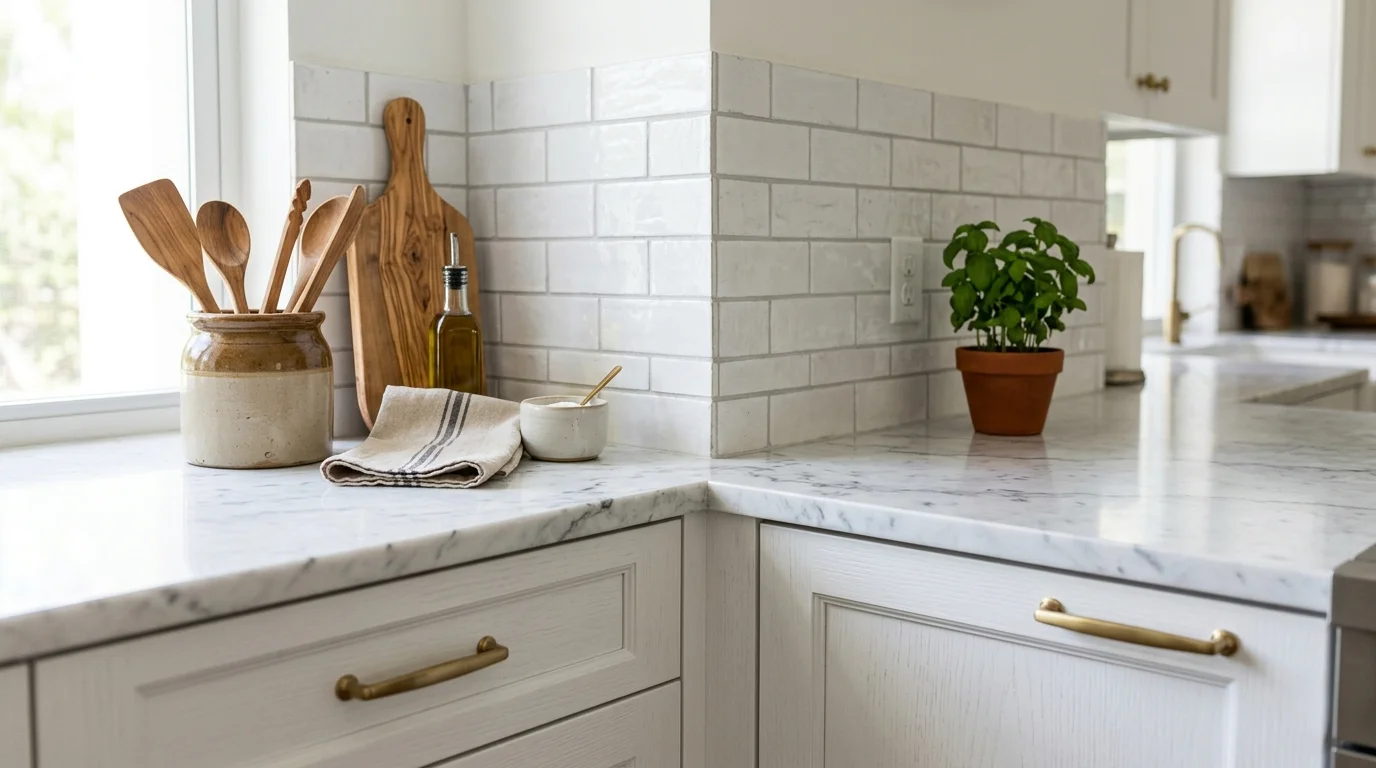
L-shaped layouts excel in open floor plans because they define the kitchen space without creating barriers. The shorter leg of the "L" often serves as a natural transition between cooking and living areas, particularly when topped with bar-height seating.
Peninsula configurations work especially well in this context. The peninsula provides counter space and storage while creating a casual dining spot that faces into the family room. Standard peninsula depth runs 24 inches, matching base cabinet dimensions. Deeper peninsulas (30-36 inches) accommodate larger overhangs for comfortable seating but require more floor space.
Counter height versus bar height becomes important in open layouts. Standard counter height (36 inches) creates visual continuity with the main kitchen surfaces. Bar height (42 inches) provides better sight lines over the peninsula but requires taller stools and can feel disconnected from the cooking zone.
Lighting plays a major role in open concept success. Pendant lighting over peninsulas helps define the kitchen boundaries while providing task illumination. We typically install pendants 30-36 inches above counter surfaces, adjusting based on ceiling height and sight line requirements.
The material choices in L-shaped open kitchens should complement adjacent spaces. This doesn't mean everything needs to match, but finishes should coordinate with flooring, paint colors, and furnishings visible from the kitchen. Two-tone cabinet designs can help bridge different areas while maintaining kitchen identity.
Cost Guide
L-shaped kitchen remodel costs in Palm Beach County vary significantly based on layout changes, material choices, and finish levels. Our pricing reflects local labor rates and material availability specific to South Florida markets.
Budget-tier L-shaped kitchens focus on cabinet replacement with existing layouts. This includes stock or semi-custom cabinetry, laminate or basic quartz countertops, and standard corner solutions. The $15,000-25,000 range assumes minimal plumbing changes and existing electrical adequacy.
Mid-range projects introduce custom storage solutions, premium materials, and potential layout modifications. Premium countertop materials like quartzite or natural stone drive costs toward the higher end of this range. Corner magic systems, soft-close hardware, and under-cabinet lighting add functionality.
Luxury L-shaped remodels feature full custom cabinetry, exotic materials, and advanced storage systems. Projects often include high-end appliance packages, decorative lighting, and premium finishes throughout. Structural changes to accommodate larger islands or improved traffic flow can push costs beyond the stated ranges.
Additional costs to consider include new appliances ($5,000-25,000), flooring replacement ($3,000-8,000), and electrical upgrades ($1,500-4,000). Hurricane impact windows, if desired, add $800-1,500 per window as a separate scope item.
South Florida Considerations
South Florida's climate and lifestyle create specific requirements for L-shaped kitchen success. Humidity control ranks as the top concern, particularly in corner areas where air circulation can be limited.
Corner cabinets in humid climates benefit from ventilation considerations. We recommend avoiding solid wood in these areas unless the home maintains consistent air conditioning. Humidity-resistant materials like plywood construction with quality finishes perform better long-term than particle board alternatives.
Natural light management becomes important in L-shaped designs with windows on both walls. South-facing windows can create heat gain that stresses finishes and appliances. We often recommend window treatments or films to manage excessive sun exposure while maintaining the open feel.
Hurricane preparedness influences storage design in corner areas. Lower cabinets work better for emergency supply storage than upper corners, which can be difficult to access during storm prep. Pull-out shelves in corner base cabinets provide better access to hurricane supplies than lazy Susans or magic corners.
HOA and architectural review considerations apply in many Palm Beach County communities. Gated community guidelines often specify finish materials, color palettes, and appliance types. These restrictions can influence L-shaped design choices, particularly for exterior elements like windows or vent hoods.
Indoor air quality benefits from proper L-shaped ventilation. The corner configuration can create dead air zones without adequate circulation. Range hood placement becomes critical, the hood should extend slightly beyond the cooktop area and provide adequate CFM ratings for South Florida's sealed home construction.
Material availability in South Florida markets affects project timelines and costs. Hurricane seasons can disrupt supply chains, making material selection and ordering timing important factors. We recommend selecting materials with local availability or established inventory relationships to minimize weather-related delays.
Energy efficiency considerations matter year-round in Florida's climate. L-shaped layouts with proper appliance placement can reduce energy costs through strategic refrigerator positioning away from heat sources and efficient lighting placement that takes advantage of natural light patterns throughout the day.
The coastal environment introduces salt air concerns in many areas. Stainless steel appliances and hardware may require more frequent maintenance near the ocean. We often recommend marine-grade finishes or alternative materials for clients within five miles of the coast.
Resale value considerations favor L-shaped layouts in the South Florida market. The configuration appeals to both year-round residents and seasonal homeowners who value the open, entertaining-friendly design. The layout's adaptability to various lifestyle needs makes it a safe investment for property value.