Subway Tile Ideas Beyond Basic
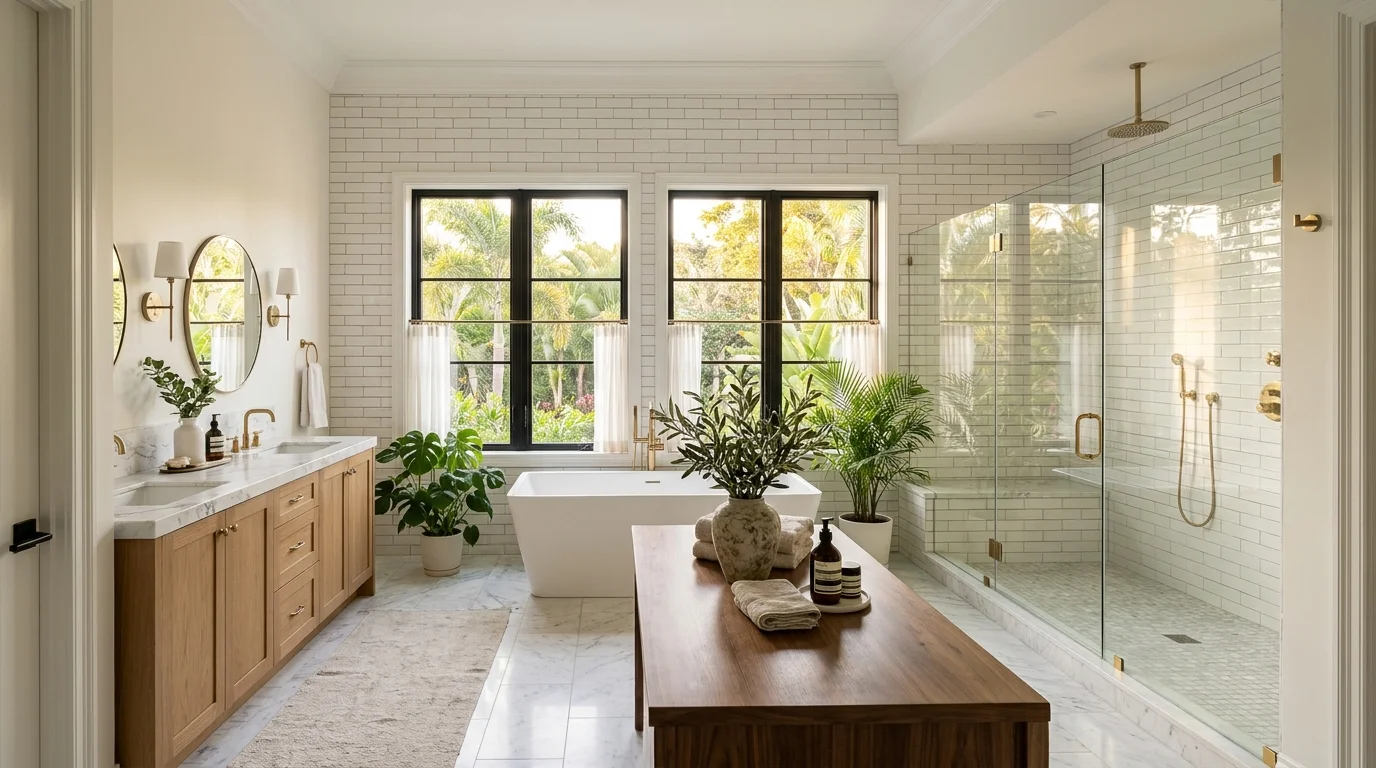
Subway tile ideas have been cycling through American kitchens and bathrooms for over a century, and homeowners in Palm Beach County keep coming back to them for a reason: they work. But the classic white 3x6 brick-set tile is only the starting point. The layout, size, color, finish, and grout choice you pick can take the same basic tile format and produce results that feel coastal, moody, artisan, or sleek. Our team at South Florida Kitchen & Bath Design installs subway tile across projects in Boca Raton, Delray Beach, Wellington, and Jupiter every week, and we see firsthand how much difference those choices make. This guide covers every variable worth considering before you commit.
Why Subway Tile Still Works
Trends come and go fast in the design world. Subway tile keeps coming back because it has a structural logic to it. The rectangular format with a 2:1 ratio creates natural visual rhythm. It plays well with almost any cabinet color, countertop material, and fixture finish. It scales from a small powder room to a full kitchen backsplash without feeling oversized or dinky.
That said, the version most people picture, bright white glossy ceramic set in a horizontal stack bond with gray grout, has become so common that it barely registers anymore. When a client in Delray Beach tells us they want subway tile but "not the boring kind," that's usually the opening to a much more interesting conversation about what subway tile can actually do when you push past the defaults.
The other reason subway tile holds up is cost flexibility. You can spend $2 per square foot on basic ceramic or $40+ per square foot on handmade Moroccan zellige, and both are technically subway tile. That range makes it accessible at nearly every budget level. If you're weighing how the tile spend fits into a broader remodel budget, our breakdown of kitchen backsplash ideas for Palm Beach County homes gives useful context on where backsplash sits relative to cabinets and countertops.
Layouts That Change Everything
Layout is the single highest-impact, lowest-cost lever you can pull with subway tile. The same 3x6 white tile set in a herringbone pattern versus a straight stack looks like two completely different materials. Here are the layouts our team installs most often, and what each one actually communicates.
Horizontal running bond (brick set). This is the classic. Tiles offset by half their length, horizontal rows. It reads clean, traditional, and unobtrusive. We use it when the client wants the backsplash to stay in the background and let the cabinets or countertop take center stage. Good choice. Not a lazy one.
Vertical stack bond. Tiles stacked perfectly on top of each other with no offset, running vertically. This elongates the wall and feels more contemporary. It works especially well in bathrooms with low ceilings because the vertical line draws the eye up. We recommend pairing it with a thinner grout joint, around 1/16 inch, for the cleanest look.
Herringbone. Each tile is set at a 45-degree angle, creating a V-pattern. It adds energy and movement. We've done herringbone in Jupiter homes with handmade tile and the result is genuinely stunning. The tradeoff is labor cost, herringbone takes longer to set precisely, and you'll lose more tile to cuts at the edges. Budget 10-15% extra on tile quantity.
Chevron. Similar to herringbone but the tile ends are cut at an angle so the points meet cleanly. It requires either pre-cut chevron tiles or precise field cuts. It reads more refined and geometric than herringbone. We tend to recommend this for more modern or minimalist kitchens in Boca Raton and Palm Beach Gardens.
Diagonal (45-degree offset). Tiles set at 45 degrees to the wall, running diagonally across the surface. This one draws attention. It works best when it's the only bold choice in the room because it competes hard with busy countertops or heavily patterned cabinets.
Horizontal stacked (no offset). Perfectly aligned grids running horizontally. Very clean, very graphic. It suits flat-front or slab-door cabinets well. The grout lines form a true grid pattern, so your grout color choice matters more here than in any other layout.
Grout color is worth calling out specifically. A white tile with white grout reads soft and monolithic. The same tile with charcoal grout reads graphic and bold. We have an entire grout color guide that walks through how undertones and joint width affect the final look. Read it before you finalize your tile order.
Sizes Beyond the Standard 3x6
The 3x6 inch format is the standard because it was cheap to produce and easy to install at scale. But subway tile exists across a much wider size range, and changing the format changes the visual weight of the entire installation.
2x4. Smaller than standard. Creates a denser grout line pattern, which some people find busy and others find charming. Works well in tight spaces like a narrow powder room where you want the tile to feel proportionate to the wall rather than overwhelming it.
3x6. The classic. Reliable. We're not going to talk you out of it if the proportions are right for your space. But we will talk you into at least considering a non-white color or a non-standard layout before you finalize it.
4x8 and 4x10. These are the formats gaining the most ground in Palm Beach County kitchens right now. The larger face means fewer grout lines, which reads cleaner and more contemporary. If you're doing a full-height backsplash from counter to upper cabinet, the 4x8 or 4x10 format makes the wall feel less busy. We recommend these for clients going with full-height backsplash over white or painted cabinets.
2x8 and 2x10 (Picket or Plank style). These tall, narrow formats are having a moment. Set vertically, they create a strong linear feel that pairs well with open shelving or no upper cabinet designs. Set horizontally, they read almost like a wood plank effect in ceramic or porcelain.
4x12 and 4x16. Getting into large-format subway territory. These read almost architectural, especially in a shower surround. We've used 4x12 in a herringbone layout in Wellington bathrooms and the scale is impressive. Installation time goes up, and you need a flatter substrate to avoid lippage, but the result is worth it.
One practical note: larger format tiles require a flatter, better-prepared substrate. If your walls have any significant variation, you'll either need to level them or accept some minor lippage between tiles. Our crew addresses substrate prep before any tile goes up.
Color & Material Upgrades
Color is where subway tile goes from background element to design statement. And material choice is what separates a tile that photographs well from one that actually looks better in person.
Off-white and cream. Barely a departure from white, but it matters. Pure bright white can read harsh under warm lighting or against warm cabinet tones. An off-white or linen-toned subway tile reads softer and pairs better with wood, brass, and warm stone countertops. We use this combination often in Wellington and Jupiter homes that lean toward a coastal or transitional aesthetic.
Warm gray and greige. These are the practical workhorse alternative to white. They hide everyday kitchen grime better, they tie into neutral cabinetry easily, and they give you more flexibility with both warm and cool countertop materials. Practical and attractive. That's a combination we always appreciate.
Sage green and soft blue. These are the colors driving the most conversations in our Palm Beach County showroom right now. Sage green subway tile behind white shaker cabinets with a white quartz counter is a combination that photographs beautifully and holds up well over time because neither the color nor the form is extreme. For clients in Delray Beach coastal homes, a soft seafoam or ocean blue subway tile reads naturally connected to the environment without being cliche. If you're working with white cabinets specifically, the article on backsplash ideas with white cabinets for Florida kitchens goes deep on color pairing strategy.
Navy and deep charcoal. Bold but grounded. Dark subway tile works best when there is enough natural light in the room. South Florida homes generally have plenty. A navy or charcoal subway backsplash with brass hardware and a light stone counter is a combination we have installed in Boca Raton kitchens that looks genuinely elevated. The key is restraint everywhere else in the room.
Black. Used correctly, black subway tile is sharp. Matte black in a vertical stack behind open shelving reads industrial and intentional. Glossy black in a herringbone pattern reads Art Deco. The grout choice matters enormously here. Black tile with white grout creates a very graphic grid. Black tile with black grout reads moody and monolithic.
Now for materials, because glaze and body matter as much as color.
Standard glazed ceramic. The most affordable option. It works. The glaze is consistent, the color is reliable, and it cleans easily. The downside is it looks exactly like what it is. Mass-produced and uniform. That uniformity can read flat, especially under raking light.
Glossy porcelain. More durable than ceramic and available in larger formats. The glaze is typically crisper and the tile body denser. Good choice for shower walls where moisture resistance matters. We cover the performance differences in our guide to best tile for shower walls in Florida's humid climate.
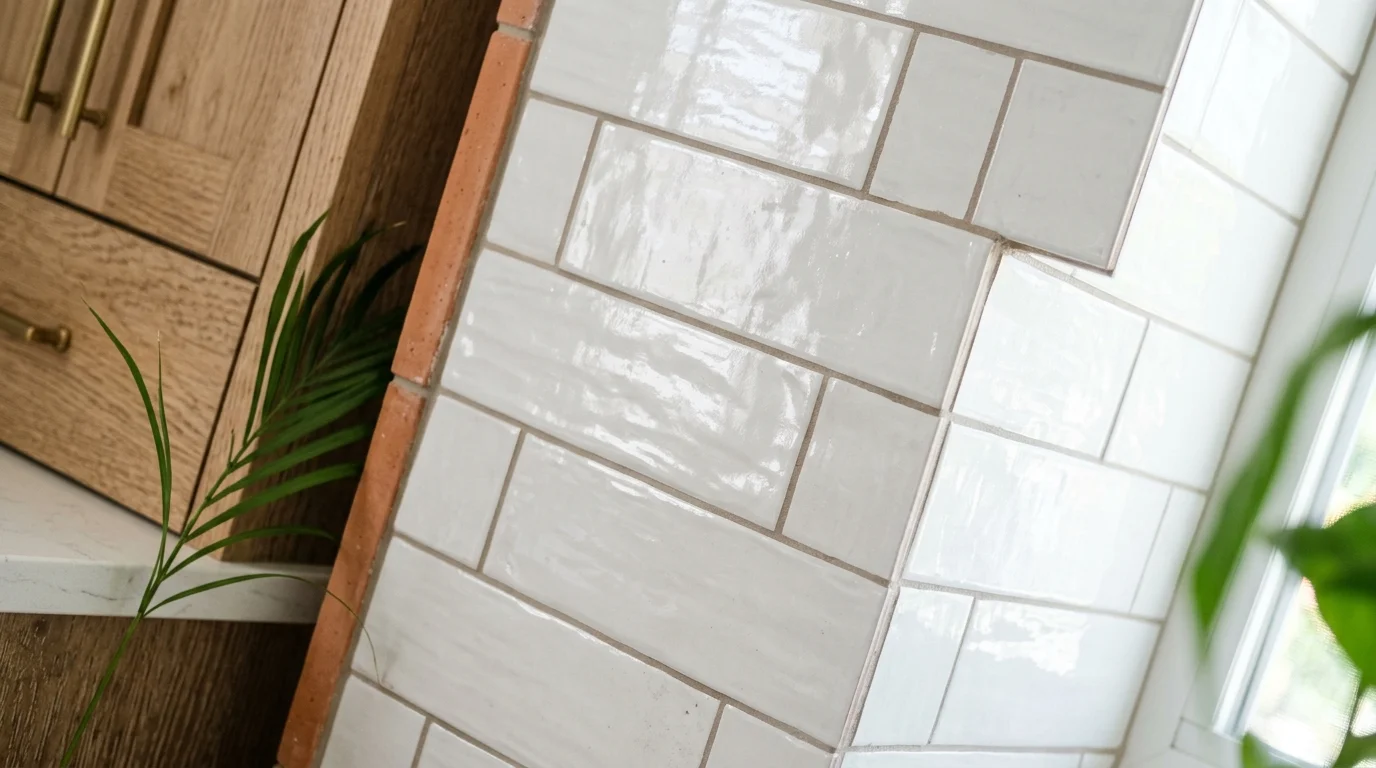
Handmade and artisan tile. This is where subway tile becomes genuinely special. Handmade tiles have slight variations in size, thickness, and glaze coverage that mass-produced tiles deliberately eliminate. When you install handmade tile, the light catches each piece differently. The surface breathes. It looks like something a person made, because someone did. The tradeoff is cost, typically $12-$35 per square foot, and installation complexity since the variation means your installer needs more patience on layout and setting.
Zellige. A specific type of handmade Moroccan tile that has become one of the most requested materials in our showroom. The irregular glaze pooling creates a depth and shimmer that is impossible to replicate with machine-made tile. It is genuinely beautiful. It is also one of the more demanding tiles to install correctly because the variation in thickness requires a skilled hand. We covered zellige in detail in our article on zellige tile as the 2026 backsplash trend. If you're considering it, read that first.
Glossy vs. matte finish. Glossy reflects light and feels more traditional. Matte absorbs light and feels more contemporary. In South Florida kitchens with a lot of natural light, matte finishes can actually read warmer and more textured than glossy options. We recommend bringing samples home and looking at them under your actual kitchen lighting before committing. Showroom lighting is not your kitchen lighting.
One more thought on shower applications specifically: textured or handmade tile adds slip resistance in wet areas, which is a functional advantage on top of the aesthetic one. For shower floors and bench surfaces, that texture matters. See more ideas in our guide to bathroom shower tile ideas for South Florida homes.
Cost Guide
Tile costs in Palm Beach County vary based on the tile material, the layout complexity, and the scope of the installation area. Here's how the numbers typically break down on projects our team completes. These are installed costs including material, setting material, and labor.
These ranges reflect what we see on actual projects in Boca Raton, Delray Beach, and surrounding Palm Beach County communities. Luxury handmade tile in a large shower surround with a herringbone layout will approach the top of these ranges. Standard porcelain in a brick-set kitchen backsplash sits toward the bottom. The shower remodel cost guide for Palm Beach County breaks down the full picture if tile is part of a larger shower renovation.
One cost factor people often underestimate: waste and cuts. Diagonal layouts and herringbone patterns generate significantly more cut tile at edges than straight horizontal layouts. Budget 15-20% extra on tile quantity for complex patterns, 10% for standard layouts. Buying extra now is always cheaper than ordering a second batch later, especially with handmade tiles where dye lots vary.
South Florida Considerations
Palm Beach County has specific conditions that influence tile selection. The humidity here is not seasonal. It is a year-round reality, and it affects everything from substrate preparation to grout choice.
Moisture management matters most in bathrooms. Florida's climate means bathrooms cycle through temperature and humidity changes constantly, especially when air conditioning runs hard against outdoor heat. Proper waterproofing behind the tile is non-negotiable. The bathroom waterproofing guide for Florida homes explains what proper membrane installation looks like. No matter how beautiful your tile is, it fails quickly if the substrate behind it allows moisture intrusion.
For kitchens, the backsplash environment is less severe than a shower surround, but grout selection still matters. Unsanded grout in narrow joints and epoxy grout in wider joints will resist mold better than traditional cement grout in Florida's humidity. We recommend sealing grout on kitchen backsplashes and resealing every two to three years as routine maintenance.
HOA and ARB considerations apply to many communities in Palm Beach County, particularly in Boca Raton, Wellington, and the gated communities of Palm Beach Gardens. Tile selection for interior spaces typically does not require HOA approval, but if your remodel involves any structural changes, your general contractor will handle the permit and submission process with the building department. Interior tile swaps on existing surfaces almost never require a permit. Changes that involve moving plumbing or relocating drain lines do, and those submissions go through your GC, not through us. For more context on how permits work in kitchen remodels, the kitchen remodel permit guide for Palm Beach County is a useful reference.
South Florida's design aesthetic has also shifted in recent years. The older preference for all-white or beige interiors is giving way to warmer, more layered spaces. We see a lot of sage green, warm terracotta, and deep blue subway tile in projects across Delray Beach and Jupiter right now. These colors hold up well under the strong natural light here. What reads saturated in a dim northern interior often reads balanced and natural under Florida sun. The Tile Shop's pattern guide is a solid visual resource for understanding how different layouts read at scale before you commit to material orders.
One more thing worth mentioning: grout maintenance in Florida is not optional. The combination of humidity, cooking steam, and hard South Florida water creates staining faster than in drier climates. Darker grout colors are more forgiving in kitchen applications. For shower tile, we lean toward epoxy grout or at minimum a high-quality sanded grout with a penetrating sealer applied at installation. The Tile Council of North America publishes installation standards that any qualified tile contractor should be working from, particularly for wet area applications.
Our team designs and installs tile across Palm Beach County, from straightforward kitchen backsplash refreshes in Boynton Beach to full custom shower surrounds in Jupiter and Wellington. If you want to talk through layout options and material choices before you make any decisions, that conversation is free. Contact us through the form on this page.